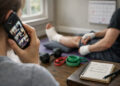
More people are choosing to exercise at home or outdoors instead of relying on a gym, and that shift changes which parts of a health policy matter most. When you work out without onsite trainers or facility staff, small injuries and recovery needs can create unexpected medical bills. A focused checklist helps you compare plans based on emergency care, rehabilitation, and preventive services. This article lays out practical insurance considerations to keep your solo routine safe and sustainable.
Reviewing these elements before you commit to a plan reduces surprises. Use them to prioritize coverage that matches how and where you exercise.
Assessing Your Coverage Needs
Start by listing the types of activities you do and the most likely injuries they could cause: strains, sprains, falls, or overuse conditions. Consider whether you frequently push intensity, have previous injuries, or need ongoing therapy; these factors change how valuable rehab and specialist access are. Think about the difference between needing an emergency department visit and using an urgent care clinic for a minor accident. Finally, factor in household members who train at home so the plan fits everyone who might file a claim.
Having a clear inventory of likely care episodes helps you weigh premiums against potential out-of-pocket costs. It also guides conversations with insurers and agents.
Checking Provider Networks and Costs
A plan’s network affects where you can get prompt, affordable care after an injury. Out-of-network emergency care can still be covered, but routine follow-up or specialist visits may cost substantially more if the provider is outside the network. Review deductibles, copays, and out-of-pocket maximums with an eye toward episodes that require multiple visits or extended therapy. Also confirm prior authorization rules that could delay access to services you expect to use.
- Which local urgent care and physical therapy clinics are in-network?
- Are specialist referrals and imaging services subject to prior approval?
- What are the typical copays for follow-up and rehab sessions?
Run a few hypothetical scenarios against a shortlist of plans to see the likely costs. That practical comparison is often more revealing than premium differences alone.
Rehabilitation, Telehealth and Home Care Benefits
Rehab coverage is crucial for recovering from exercise-related injuries: check the number of covered physical therapy visits and any session caps. Telehealth can expedite triage and follow-up care after a minor injury, reducing unnecessary emergency visits and supporting faster return to activity. Some plans include home health or in-home physical therapy options when mobility is limited; others restrict such services. Durable medical equipment policies matter if you might need braces, supports, or rental equipment during recovery.
Confirm session limits, telehealth availability, and documentation requirements for home services. Knowing how appeals work helps if benefits are initially denied.
Preventive Services and Equipment Coverage
Preventive care and wellness benefits can reduce injury risk over time through screenings, vaccinations, and lifestyle counseling. Wellness credits or reimbursements for fitness assessments, injury prevention programs, or ergonomic consultations are increasingly common. Durable medical equipment like custom orthotics often requires a prescription and may only be partially covered, while general exercise gear is rarely eligible. Maintain receipts and medical justification when seeking coverage for items tied to a prescribed treatment plan.
Prioritize plans that support prevention and document medical necessity for equipment. That approach protects both your health and your budget.
Conclusion
Use this checklist to align a health plan with the realities of exercising without a gym. Focus on networks, rehab limits, telehealth access, and equipment rules when comparing options. A little planning up front makes your solo fitness routine safer and financially predictable.