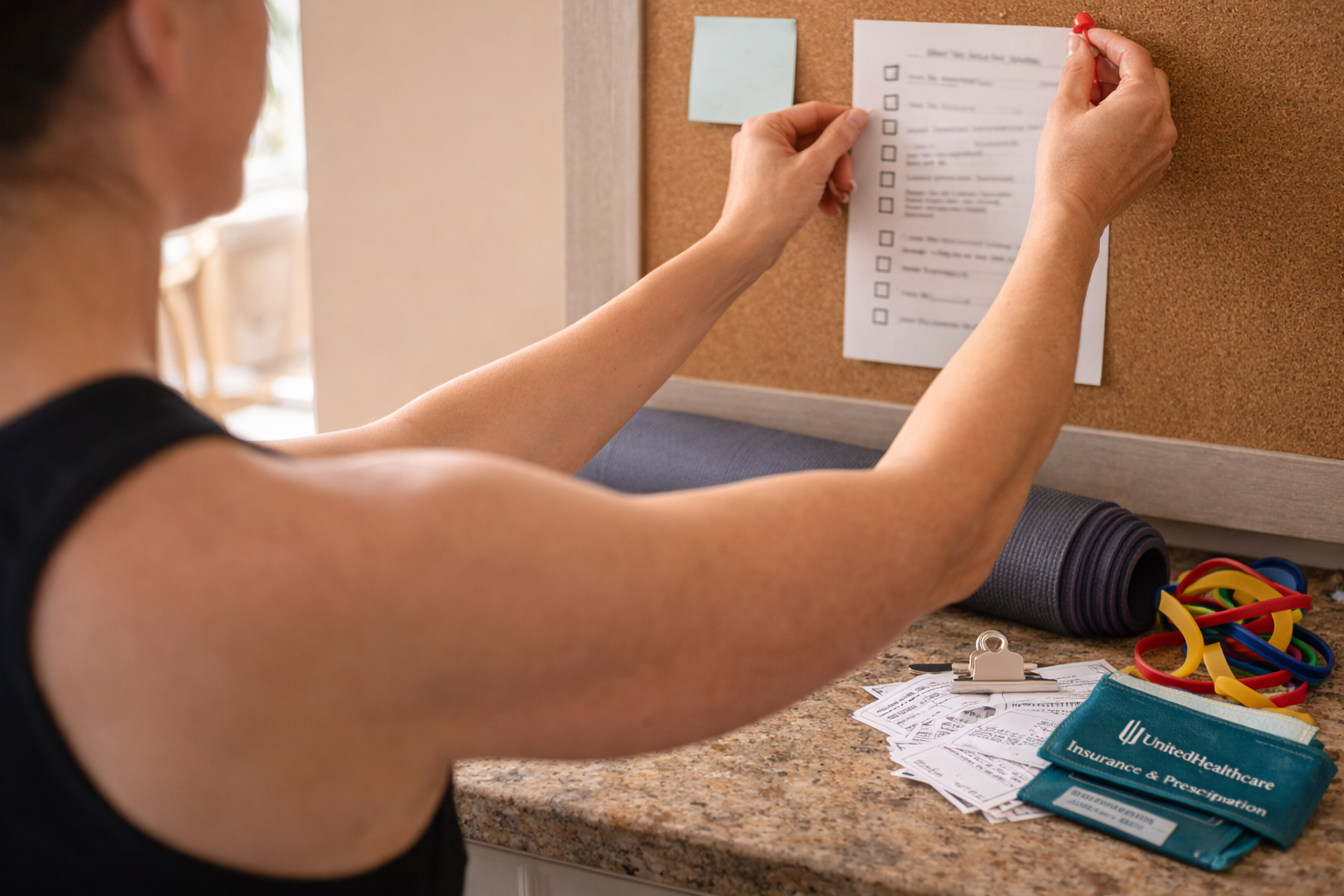
Many people who exercise at home assume their medical insurance already covers all related risks.
Understanding what your plan includes helps prevent surprise bills and reduces recovery delays.
This article outlines practical steps to evaluate coverage and make informed choices for home fitness.
Follow these tips to align benefits with training habits and mitigate avoidable expenses.
Assessing Your Coverage Gaps
Start by reviewing your policy documents to identify covered services such as emergency care, outpatient visits, and rehabilitation.
Pay attention to exclusions, preauthorization rules, and maximums that could affect treatment after a workout injury.
Note differences between in-network and out-of-network providers, since home fitness may require specialized care.
Keep a simple checklist of common scenarios — strains, fractures, and urgent care — to test your plan.
Ask whether rehabilitation therapy requires in-network approval.
- Muscle strains and sprains
- Fractures and urgent orthopedic care
If gaps exist, contact your insurer to clarify terms and possible riders. Documentation of answers helps when filing claims later.
Leveraging Preventive and Telehealth Benefits
Many policies now include preventive services and telehealth visits that support safe home training and early treatment.
Preventive coverage can fund fitness-related screenings and counseling that reduce injury risk and chronic strain.
Telehealth offers quick access to clinicians for guidance after minor injuries and can reduce unnecessary emergency visits.
Learn how virtual visits are billed under your plan to avoid unexpected copays or balance billing.
Also check for wellness reimbursements that may offset training costs.
- Virtual triage for minor injuries and advice
- Preventive screenings and counseling covered under wellness benefits
Use preventive benefits proactively to keep workouts safe and sustainable. Scheduling routine check-ins with providers can catch issues before they escalate.
Preparing for Claims and Emergencies
Documenting incidents promptly and knowing your insurer’s claims process speeds reimbursements and appeals.
Keep receipts, dates, and provider notes organized, and ask for itemized bills when possible.
Understand timelines for emergency care notifications and post-service authorizations to avoid claim denials.
Consider short-term riders or supplemental plans for high-deductible situations where out-of-pocket risk is a concern.
Knowing waiver options for pre-existing conditions can also be useful.
A prepared claims file reduces stress during recovery and improves outcomes. Regularly review and update your plan details as training intensity or equipment changes.
Conclusion
Choosing the right medical insurance requires attention to details that affect home workouts.
Review policy language, use preventive and telehealth options, and prepare for claims.
Small changes in coverage or documentation can make recovery easier and costs more predictable.