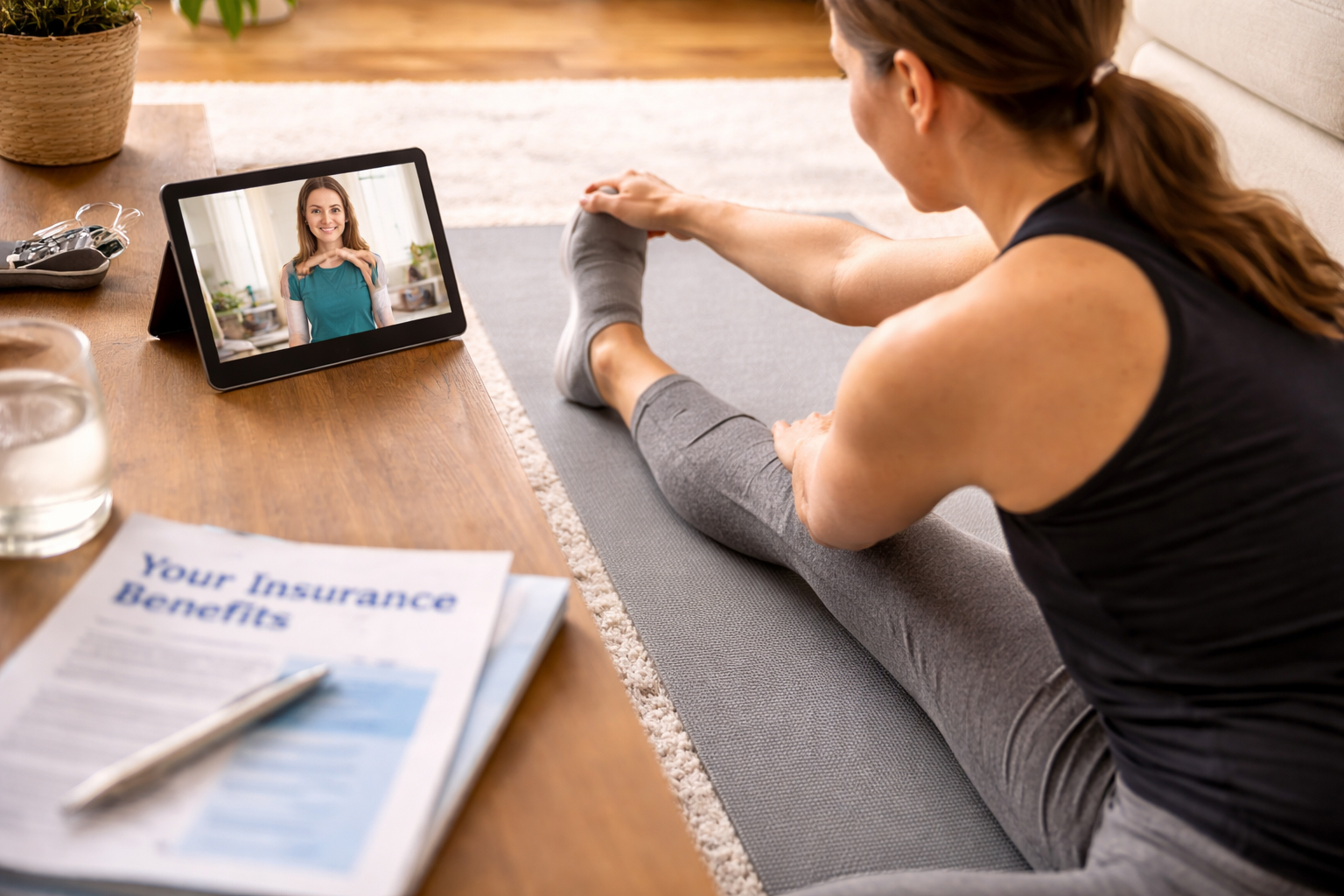
Working out at home has become a lasting part of many routines, and understanding how your health coverage supports that lifestyle matters. Reviewing benefits related to prevention, remote care, and injury treatment can reduce stress and unexpected costs. This article outlines practical steps to align plan features with home fitness needs. Use these tips to make informed conversations with your insurer or broker.
Assess Your Current Policy
Begin by reviewing what your plan covers for injuries, diagnostic testing, and rehabilitative services after an accident at home. Look for language about emergency care, outpatient visits, and durable medical equipment if you use supportive braces or monitoring devices. Also check for exclusions that might apply to self-directed exercise or home-based training programs. If the wording is unclear, request a benefits summary or speak with a representative for clarification.
Keep a concise record of covered services and common co-pays to compare against potential out-of-pocket costs. Knowing these details helps you plan safer routines and budget for preventive care. Consider documenting past claims involving exercise-related care to identify patterns.
Use Preventive Care to Reduce Risk
Many plans include preventive visits, physical therapy evaluations, or wellness visits that can reduce injury risk when starting or increasing home workouts. Schedule an initial assessment with a provider to review movement patterns, basic strength, and mobility—this can be billed under preventive or rehabilitative codes depending on the visit. Staying current with screenings and recommended checkups can also catch underlying issues before they affect training. Incorporating these services proactively often lowers the likelihood of more costly treatment later.
- Ask which preventive services are fully covered without a co-pay.
- Confirm whether initial physical therapy or exercise consultations require referrals.
- Check for coverage of wearable monitors or therapeutic devices when medically necessary.
Using preventive benefits strategically can make home workouts safer and more sustainable. Small investments in assessment and guidance often pay off in fewer interruptions to your routine.
Telehealth and Remote Support
Telehealth options expand access to clinicians, trainers, and physical therapists who can advise on form, progression, and recovery without an office visit. Many insurers have broadened virtual care coverage, including video visits, remote monitoring, and asynchronous messaging. Verify which telehealth services are included, any platform requirements, and applicable co-pays or limits. Virtual follow-ups are particularly useful for minor strains or ongoing exercise guidance that does not require hands-on treatment.
Leverage telehealth for quick triage and to determine when in-person care is necessary. Keeping telehealth notes and any prescribed home programs helps if a later claim is filed.
Conclusion
Review your plan details for preventive, rehabilitative, and telehealth provisions to support home fitness. Ask targeted questions and document interactions with providers and insurers for clarity. Small planning steps can improve safety and reduce unexpected costs.