Insurance Essentials for People Who Train at Home
Introduction
Training at home offers flexibility and convenience, but it also brings distinct health and liability considerations. Understanding how medical insurance interacts with home exercise routines can help you make informed decisions. This article outlines typical risks, how insurers view home workout claims, and policy features to consider. Read on to translate your training habits into practical coverage choices.
Common Risks with Home Training
Home workouts reduce commuting and gym fees, yet they often lack professional supervision and specialized equipment. As a result, overuse injuries, slips, and improper form can lead to strains, sprains, or more serious accidents. Pets, cluttered spaces, and inadequate flooring increase the chance of falls and impact-related injuries. Recognizing these common hazards helps you document incidents clearly when seeking care.
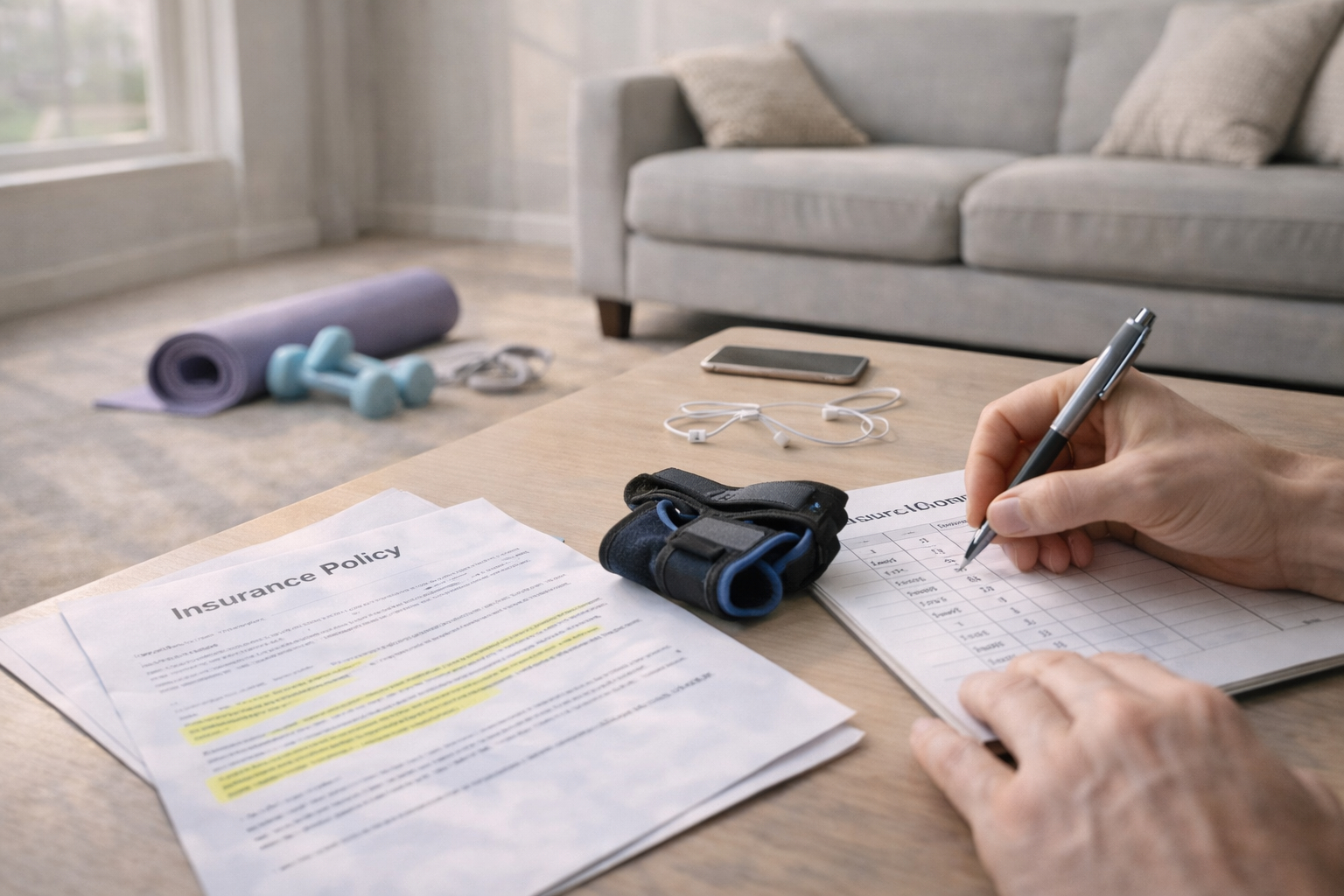
Keeping a simple log of workouts and equipment used can support medical evaluations and insurance communication. Photographs of the workout area and notes about symptoms and timing strengthen any claim. These records also help your provider assess whether the injury resulted from an activity covered by your plan.
How Insurance Responds to Home Workout Claims
Insurers generally focus on the medical necessity of treatment rather than where an injury occurred, but policy language matters. Most health plans cover diagnostic visits and medically necessary treatment for accidental injuries, yet preexisting conditions or elective procedures may be excluded. If you require urgent care, documentation that links the injury to an identifiable incident is valuable for claims processing.
Contact your insurer promptly after an injury to verify coverage details, provider networks, and prior authorization requirements. Early communication reduces surprises about out-of-pocket costs and can guide you to in-network rehabilitation services.
Choosing the Right Policy Features
Look for a policy that balances affordable premiums with reasonable deductibles and coverage for physical therapy and rehabilitation. Important features include clear accidental injury coverage, outpatient therapy benefits, and telehealth options for remote assessments. Policies that cover durable medical equipment can also help if you need braces, supports, or mobility aids after an injury.
- Accidental injury and rehabilitation benefits
- Telehealth and virtual physiotherapy coverage
- Reasonable out-of-pocket maximums
Comparing plans with these elements helps ensure you can recover effectively without undue financial strain. Tailor your choice to how frequently and intensely you train at home.
Conclusion
Selecting insurance with clear accidental injury and rehabilitation provisions protects your training investment.
Document incidents promptly and communicate with your provider to streamline claims and care.
A policy aligned with your activity level lets you focus on consistent, safe progress at home.