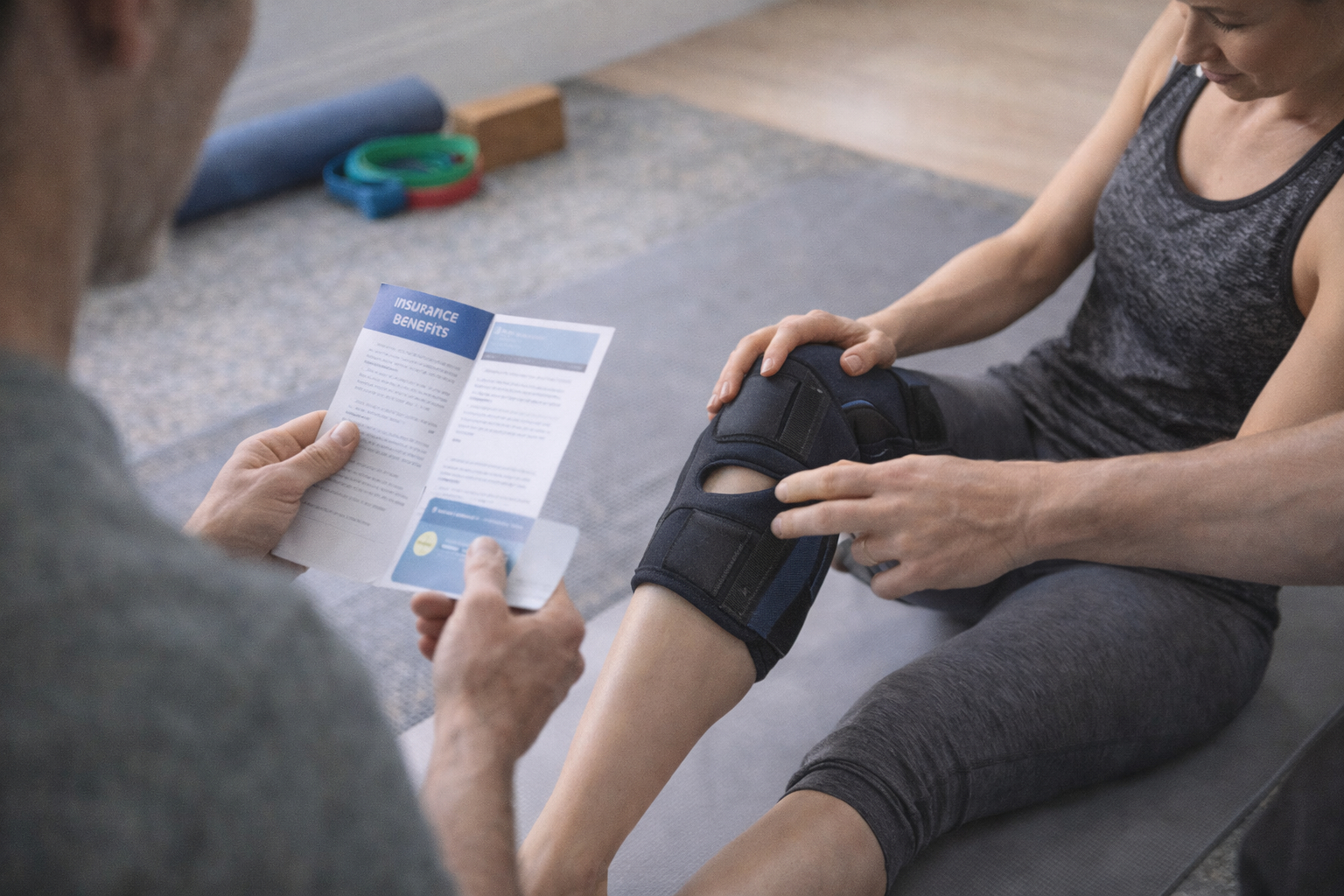
Choosing the right medical plan helps you exercise at home with confidence.
Many policies overlap, but a few features matter more for home workouts.
Understanding coverage options reduces surprises after an injury or during recovery.
This article outlines practical steps to evaluate and improve your coverage.
Understand What Typical Policies Cover
Most standard health plans cover emergency care and follow-up visits for acute injuries, which is important if a home workout leads to a sprain or fracture. However, how they handle outpatient therapy, medical devices, and telehealth can vary widely. Network restrictions and prior authorization rules often determine where and how quickly you can receive care. Reviewing exclusion lists and emergency procedures in your policy will reduce unexpected bills.
Take time to read summaries of benefits and compare a few plans side by side. If you regularly use specialized services, verify provider availability and typical reimbursement rates before committing.
Prioritize Key Benefits for Home Fitness
When evaluating plans, focus on benefits that directly support at-home exercise recovery and prevention. Look for generous outpatient physical therapy limits, coverage for durable medical equipment, and easy access to telehealth consultations. Mental health support and wellness incentives can also encourage consistent, safe routines. Deductibles and copays will affect how likely you are to use care for minor injuries.
- Physical therapy: number of visits and network flexibility.
- Telehealth: virtual visits for urgent advice after an incident.
- Rehab and equipment: coverage for braces, supports, and devices.
Balancing premiums against out-of-pocket costs is key; a slightly higher premium can be worth it if it reduces barriers to timely care.
Actions to Take Before and After an Injury
Before an injury, document your typical workouts and identify nearby in-network providers who treat musculoskeletal issues. Share your routine with your primary clinician so they can recommend preventive options and baseline assessments. After an incident, seek timely evaluation and keep detailed records of all visits and recommendations. This documentation helps with claims and appeals if coverage is disputed.
If a claim is denied, follow the insurer’s appeal process promptly and consider involving a patient advocate or employer benefits representative when available. Early communication often speeds resolution and clarifies next steps for recovery.
Conclusion
Designing a medical plan around home exercise means prioritizing rehab, telehealth, and clear claims processes.
Review plans with those priorities in mind and keep records of providers and visits.
A well-chosen plan reduces stress and supports faster, safer recovery from workout injuries.