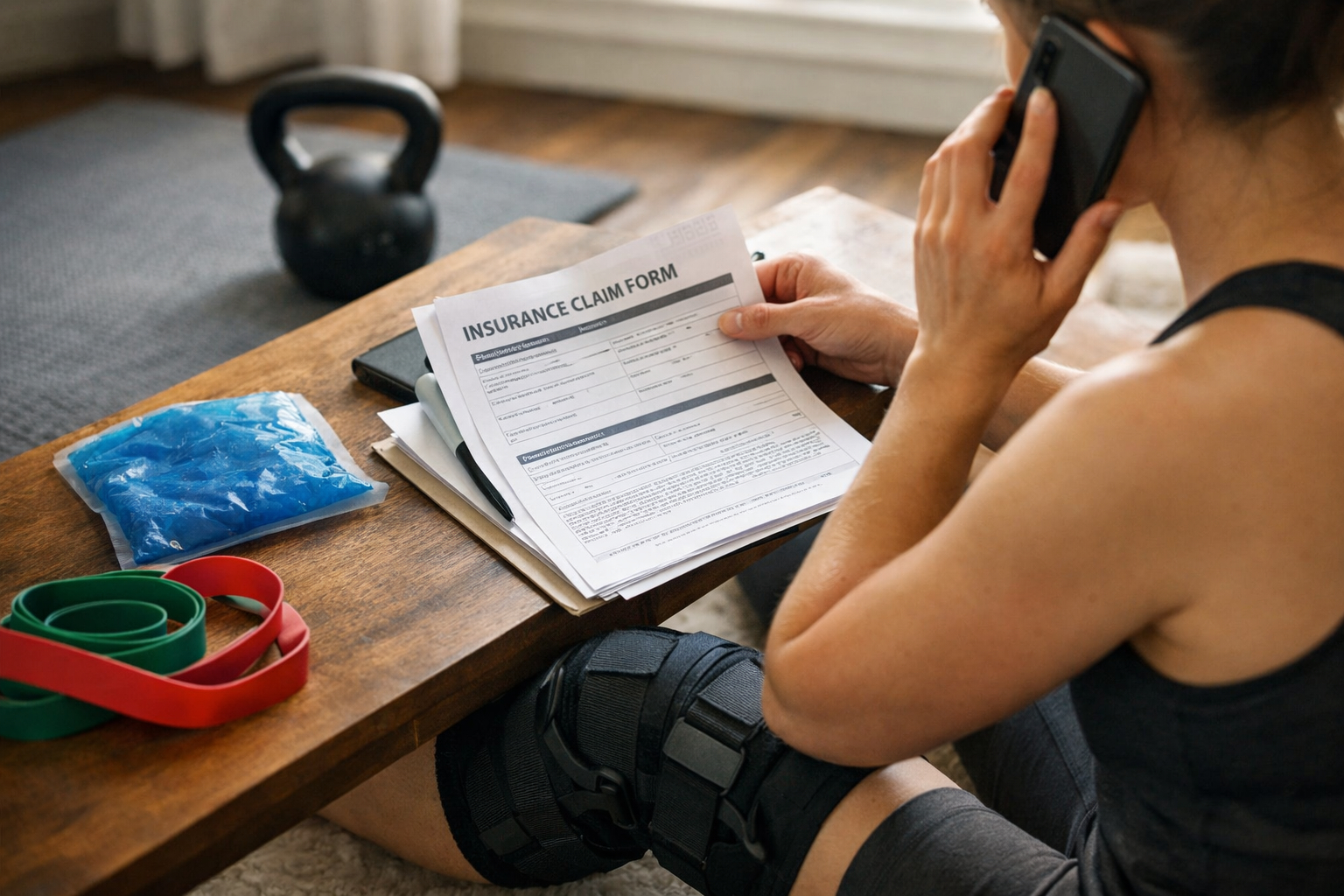
When you train at home, insurance becomes part of your safety plan and peace of mind.
Evaluating a health plan with home exercise in mind helps you prepare for common injuries, follow-up care, and rehabilitation.
A thoughtful review balances premiums, networks, and benefits against the types of activities you do and the equipment you own.
This article outlines practical considerations to help you choose coverage that supports an active home routine.
Assessing Coverage Basics
Start by confirming what the plan defines as emergency, urgent, and routine care, and how each is covered, since this determines where you get treated and what you pay.
Check the deductible and out-of-pocket maximums to understand potential financial exposure if a significant injury occurs.
Verify whether telehealth and virtual consultations are included, as these can be convenient first steps after a minor workout injury.
Also confirm coverage for diagnostic tests like X-rays or physical therapy referrals so you know the likely care pathway.
Reviewing these basics reduces surprises and guides how you use services after an incident.
A plan that aligns with your typical care needs can save time and cost when you need it most.
Out-of-Network and Urgent Care Access
Home workout injuries sometimes require immediate attention, making access to urgent care centers important for timely treatment.
Know whether your plan has a broad network or strict in-network restrictions that could affect urgent visits and specialist referrals.
Out-of-network care can be costly, so identify nearby in-network facilities and confirm their hours and capabilities.
If you travel or train in different locations, consider plans that offer flexible out-of-area benefits or cost-sharing protections.
Having a list of preferred facilities and basic coverage rules helps you act quickly in an incident.
This preparation minimizes delays and unexpected bills when seeking urgent care.
Rehabilitation and Long-Term Support
Rehab services such as physical therapy are often key to a full recovery after an exercise-related injury, so verify the number of covered visits and any preauthorization requirements.
Look for plans that offer reasonable copays and clear referral processes to maintain continuity of care.
Consider whether chronic condition management or preventive services, like strength assessments, are included to reduce future injury risk.
Policies that emphasize recovery and prevention can lower long-term costs and improve outcomes for consistent home exercisers.
Prioritizing rehab coverage ensures you can access the support needed to return safely to your routine.
A proactive benefits review eases the path from injury to recovery.
Documentation and Claims Tips
Keep records of treatments, receipts, and provider notes to simplify claims and appeals if needed, and ask providers to document how an injury occurred when relevant.
Understand timelines for filing claims and what information insurers typically request for workout-related care.
If coverage is denied, use the insurer’s appeal process and supply supporting documentation, such as progress notes or imaging reports.
Clear communication with your insurer and providers often resolves issues more quickly than letting questions linger.
Good documentation protects your interests and speeds reimbursement when appropriate.
Organized records also help you evaluate whether a plan meets your ongoing needs.
Conclusion
Choosing a plan that supports prevention, timely care, and rehabilitation reduces downtime and financial surprise.
Prepare by mapping networks, benefits, and claim processes before an incident occurs.
With a clear plan in place, home fitness can stay safe and sustainable.