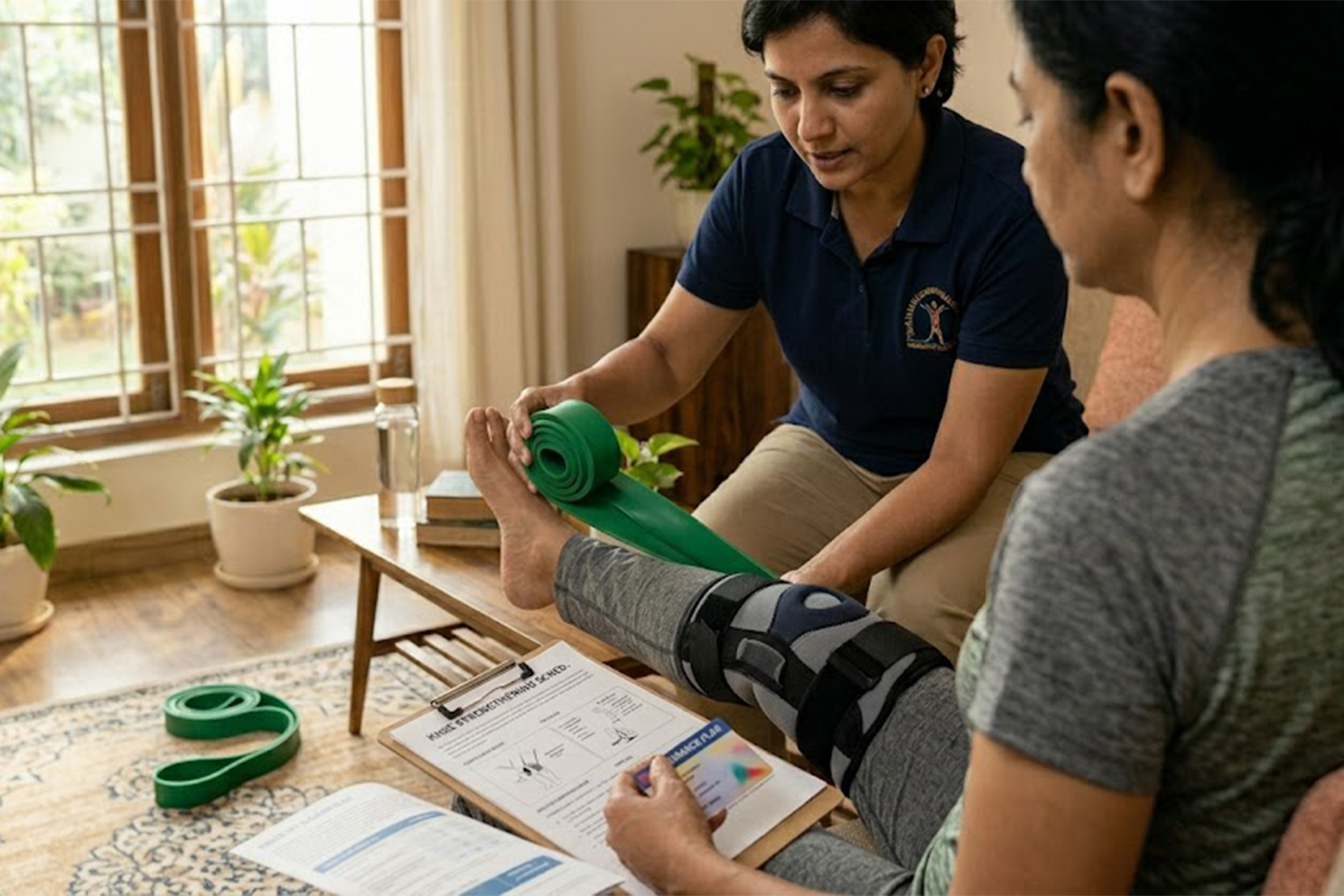
As more people design workouts at home, understanding how health insurance responds to exercise-related incidents has become essential. Knowing which events trigger coverage, how claims are handled, and which benefits support recovery helps you choose a plan that fits an active lifestyle. This article outlines practical considerations when assessing policies for home fitness risks and recovery support. Use these insights to make informed choices and reduce surprises during a medical claim.
Choosing the right coverage is about aligning benefits with realistic risks and everyday habits. Read on to clarify common policy elements you should evaluate.
Understanding Policy Fundamentals
Begin by reviewing the core components of any health policy: inpatient and outpatient benefits, emergency care, rehabilitative services, and exclusions. Pay close attention to definitions of accidental injury versus repetitive strain or overuse, as insurers may treat these differently. Look at deductible levels, out-of-pocket maximums, and provider networks to estimate your potential costs after a workout-related injury. Understanding prior authorization rules and preexisting condition clauses can prevent claim denials.
Documenting your activities and any recommended treatment can streamline claims when a provider uses clear diagnostic codes tied to the incident.
Coverage Specifics for Home Workout Injuries
Not all policies treat home exercise injuries the same; some plans may limit coverage for injuries deemed part of a personal fitness routine, while others cover any accidental injury regardless of location. Check policy language about injuries occurring during recreational activities versus occupational injuries, and confirm whether telehealth consultations or urgent care visits are covered for initial assessment. Evaluate coverage for physical therapy, imaging, and durable medical equipment if you use them after an injury. Also consider emergency transport coverage if severe injury requires ambulance service.
- Confirm emergency and urgent care benefits.
- Verify rehabilitative therapy limits and session caps.
- Ask how preauthorization affects durable medical equipment claims.
These specifics help you estimate both access to care and the financial impact of common home workout incidents.
Maximizing Preventive and Recovery Benefits
Preventive benefits such as wellness visits, injury-prevention counseling, and covered fitness assessments can reduce the likelihood of injury and support long-term fitness goals. Telehealth options accelerate early evaluation and may cut costs for minor injuries. If your plan offers care management or case coordination, leverage these resources to navigate rehabilitation and return-to-activity plans with clinical oversight. Additionally, check whether the plan includes discounts or coverage for certified training or physical therapy that focus on safe progression.
Proactively using preventive services and approved rehabilitation pathways improves outcomes and can minimize claim complications.
Conclusion
Review policy language closely to match benefits with your home fitness routine and potential risks. Prioritize plans that offer clear accidental injury coverage, robust rehabilitative benefits, and accessible telehealth options. Being prepared and informed helps protect both your health and finances when exercising at home.