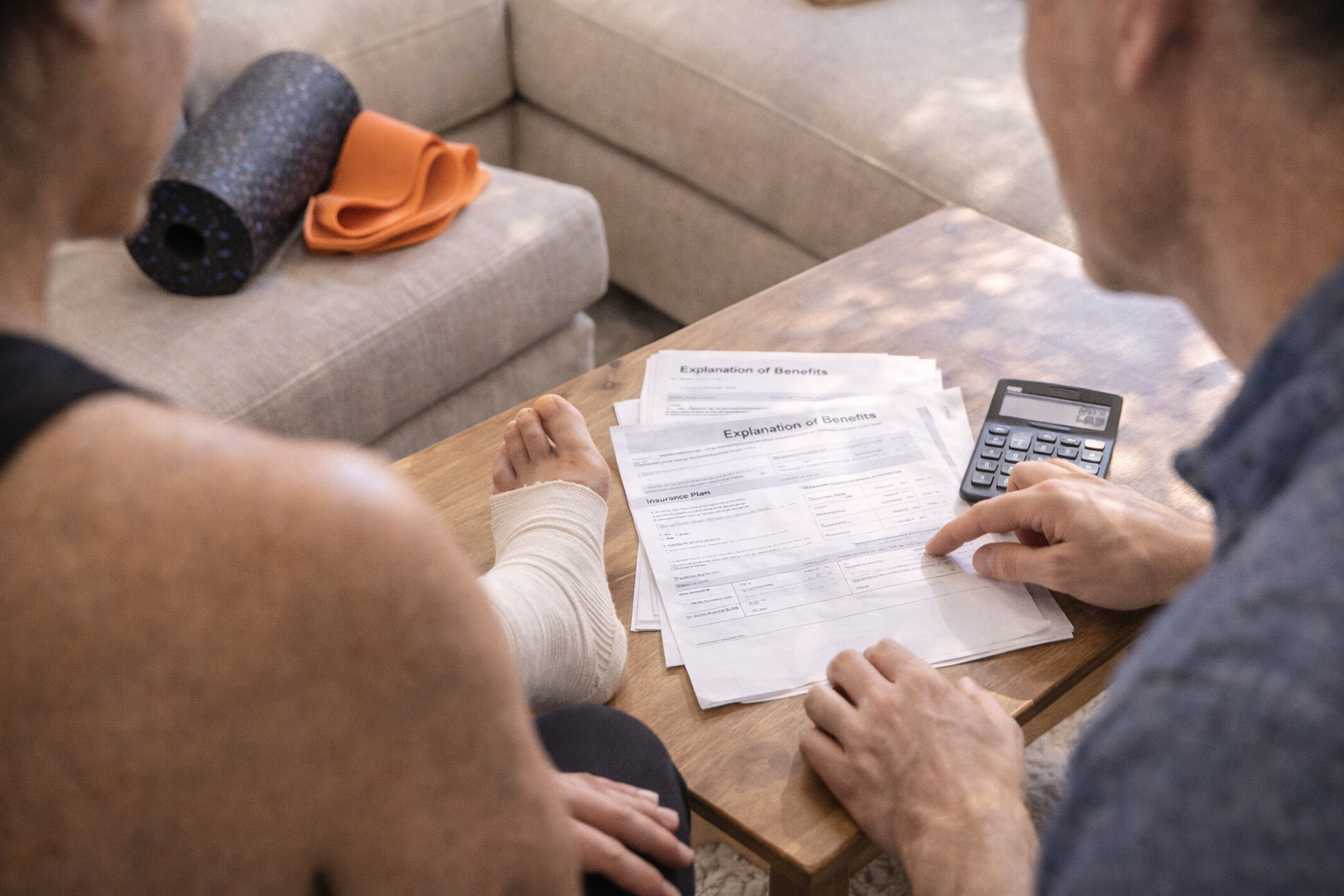
Working out at home offers flexibility and convenience but also creates questions about medical protection and recovery. Knowing which aspects of a health plan matter can reduce stress after an injury and speed return to activity. This article breaks down practical insurance considerations for people who train primarily at home. It helps you compare plans, prioritize benefits, and use coverage effectively when you need care.
Assessing Risk and Plan Types
Start by evaluating the common risks tied to your routines: sprains, strains, falls, and overuse injuries. Different plan types—HMOs, PPOs, and high-deductible options—affect access to specialists, cost-sharing, and out-of-pocket exposure. Consider how often you expect to use care, whether you value broad provider choice, and how much you can afford in premiums versus potential medical bills. Match your typical activity level and injury risk to plan flexibility and provider networks.
When comparing plans, pay attention to emergency and urgent care coverage as well as outpatient services. Those features determine where you can go immediately after an injury and how much you’ll pay.
Key Benefits to Prioritize
Certain benefits matter more for home athletes than others: rehabilitation services, physical therapy coverage, and durable medical equipment are core. Coverage for diagnostic imaging and specialist visits will influence treatment timelines and recovery quality. Prescription coverage for pain management and anti-inflammatory medication can also reduce out-of-pocket costs during recovery. Look at limits on therapy visits and whether preauthorization is required.
- Rehab and physical therapy visit limits
- Provider network breadth for specialists
- Out-of-pocket maximums and deductibles
Prioritizing these benefits helps you avoid surprises and get the right care without delaying recovery.
Using Coverage for Rehab and Provider Choice
After an injury, timely access to a qualified physical therapist or sports medicine provider speeds recovery and lowers long-term costs. Verify whether your plan requires referrals or prior authorization for rehab so you can plan the care path. Telehealth options are useful for initial assessments and follow-up when hands-on treatment isn’t required. Confirm coverage for remote visits and any limitations on types of therapy covered.
Choosing in-network providers often reduces costs, but a balance of convenience and care quality is important when selecting a therapist or clinic.
Tips for Claims, Documentation, and Cost Control
Document incidents clearly: note time, activity, symptoms, and any photos to support claims if needed. Keep records of visits, receipts, and provider notes to simplify claims and appeals. Understand your deductible timing and how copays apply to therapy sessions so you can budget for recovery. Ask your insurer about in-network options, negotiated rates, and programs supporting rehabilitation and injury prevention.
Being organized and proactive reduces delays and helps you focus on rehabilitation rather than paperwork.
Conclusion
Choose coverage that balances premium costs with benefits you will actually use, such as rehab and specialist access. Keep documentation and understand plan rules to streamline care when injuries occur. With a plan aligned to home workouts, recovery can be faster and less costly.