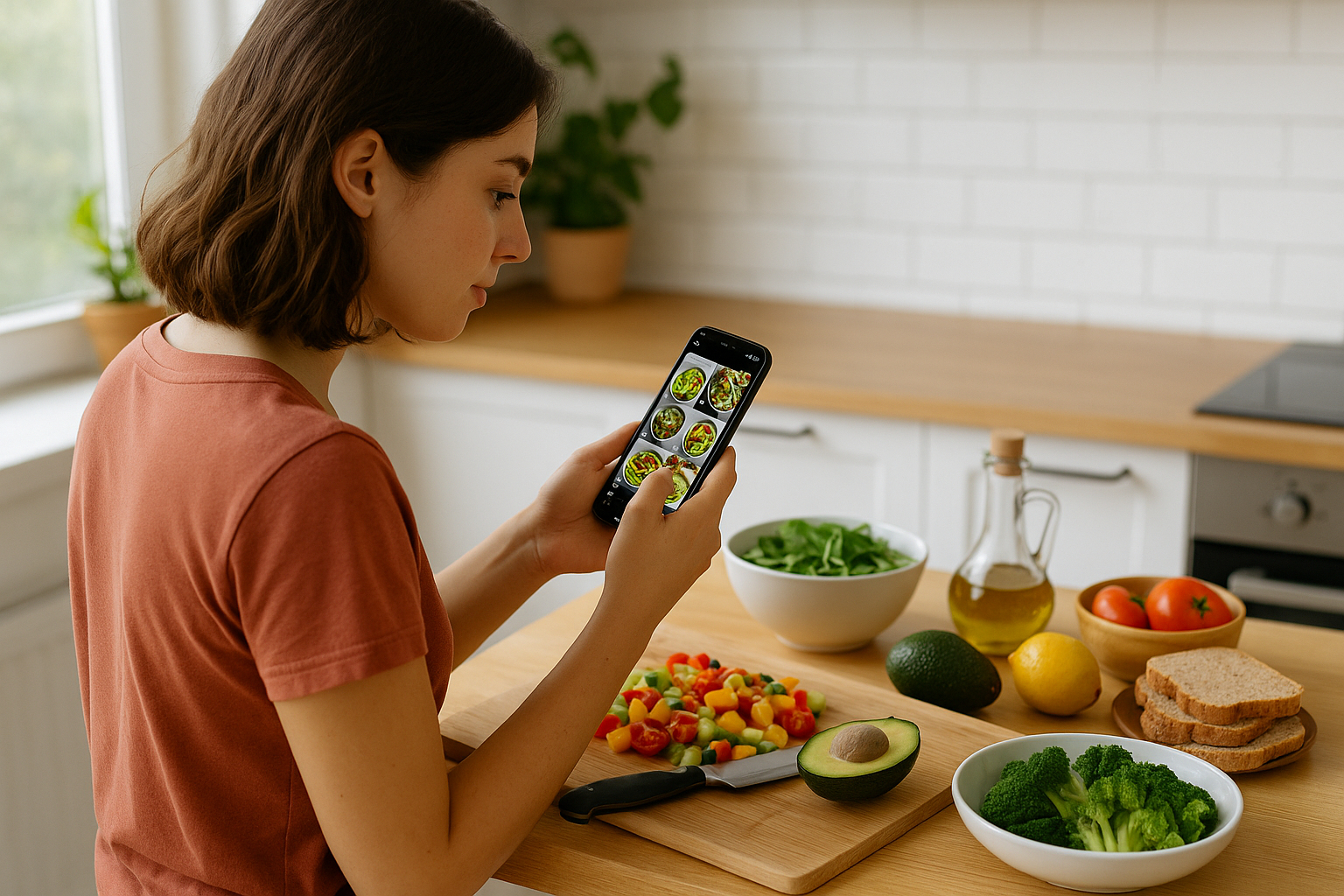
From viral recipes to influencer meal trends, social media has become one of the biggest forces shaping how and what people eat. Platforms like Instagram, TikTok, and YouTube are redefining food culture—making dining, cooking, and nutrition more visual, shareable, and influential than ever. While this connectivity inspires creativity and awareness, it also raises questions about authenticity, health, and sustainability in the digital age.
The Rise of Food Influencers and Viral Trends
Food influencers now have more sway than traditional advertising. A single viral post can make an unknown dish a global sensation overnight—think cloud bread, avocado toast, or whipped coffee. These trends thrive on visual appeal, with colorful presentations and quick recipes designed for social media engagement. For many users, seeing delicious content from relatable creators feels more trustworthy and accessible than brand promotions.
Shaping Eating Habits Through Digital Inspiration
Social media has democratized food education. People can learn to cook, discover new cuisines, or explore dietary options like veganism and keto from their feeds. Step-by-step videos make cooking less intimidating, encouraging home preparation over takeout. However, this exposure also leads to imitation without context—some viewers try fad diets or unrealistic eating habits because they’re popular, not necessarily healthy. The line between inspiration and influence can blur quickly.
The Role of Visual Aesthetics
Food photography and presentation play a major role in shaping perceptions of taste and desirability. The “Instagrammable” meal culture has pushed restaurants to design dishes that look as good as they taste. For individuals, this focus can inspire creativity in home cooking—but it can also create pressure to eat or display food for likes rather than nourishment. Visual perfection sometimes overshadows genuine enjoyment or nutrition.
Balancing Influence With Awareness
As social media continues to shape food choices, digital literacy becomes crucial. Following credible nutritionists, chefs, and food experts helps balance trends with facts. Brands and influencers also bear responsibility to promote authenticity and health-conscious content. Consumers, meanwhile, can embrace social media as a source of discovery—while staying mindful of how it affects their decisions and self-perception.
Conclusion
Social media has transformed food from a private act into a global conversation. It connects cultures, spreads creativity, and empowers people to explore what they eat in new ways. Yet, true food inspiration comes not from likes or trends, but from mindful choices that celebrate balance, health, and authenticity—both online and off the plate.