Building consistent, nutritious eating habits at home supports both fitness goals and everyday wellbeing. Small, manageable changes to shopping, cooking, and portioning can make a big difference over weeks and months. This guide focuses on practical food strategies that are simple to adopt and sustainable long term. It avoids fad diets and instead emphasizes balanced meals, smart preparation, and flavor so you will stick with it. Read on for straightforward steps you can start using this week.
Smart Grocery Choices
Start with a shopping list that centers around whole foods: fresh produce, lean proteins, whole grains, legumes, and healthy fats. Prioritize versatile ingredients like frozen vegetables, canned beans, and plain yogurt so you can assemble meals quickly. Read labels to minimize added sugars and excessive sodium, and choose single-ingredient items when possible. Planning meals before shopping reduces impulse buys and keeps your budget aligned with nutritional goals.
Rotating staples and buying seasonal produce also keeps variety high and costs down. A mindful grocery routine is the foundation for consistent healthy eating.
Meal Prep Strategies
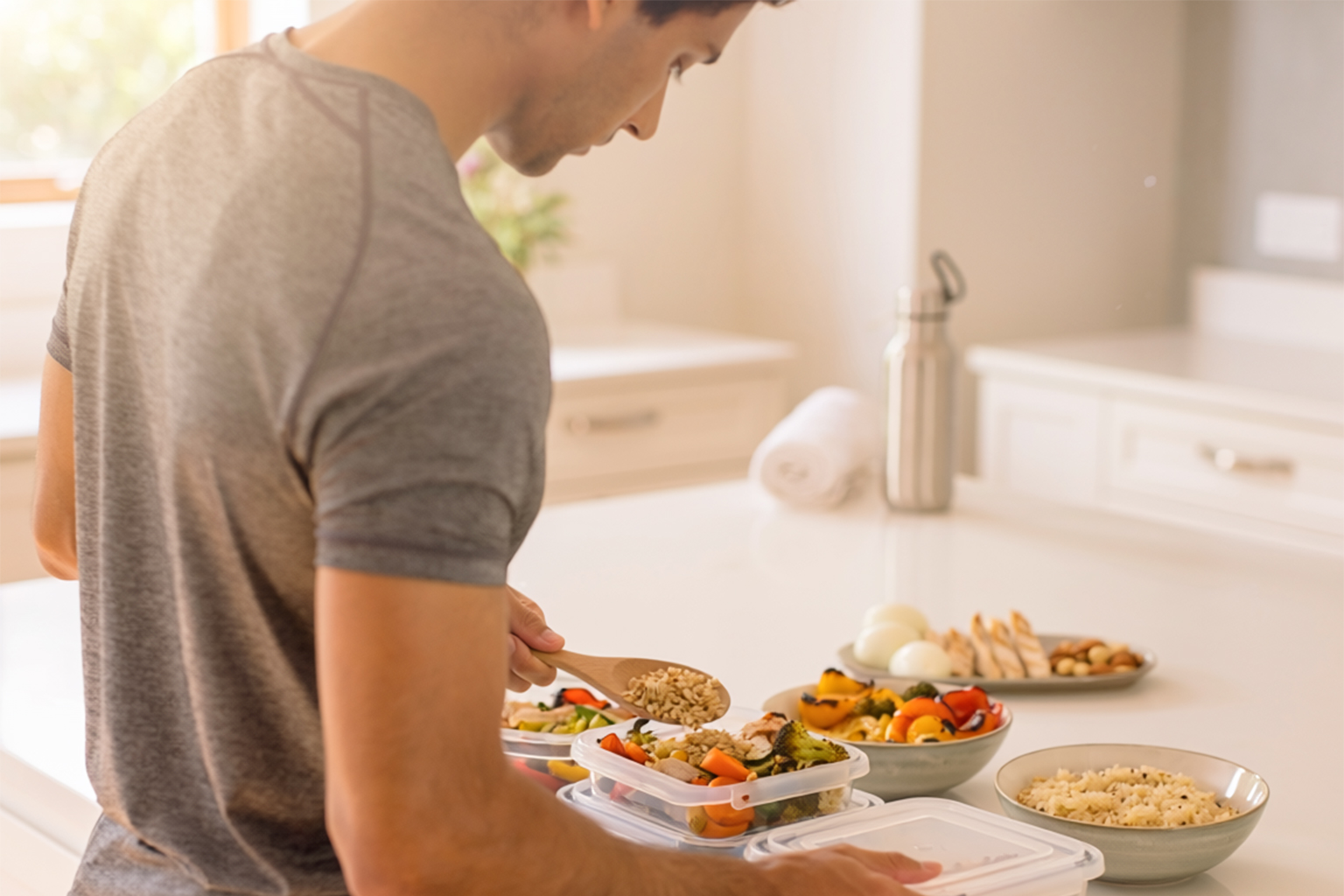
Set aside a couple of hours weekly to batch-cook proteins, grains, and chopped vegetables for grab-and-go meals. Use simple formats like sheet-pan dinners, grain bowls, or mason jar salads to combine components quickly. Portion meals into containers to control serving sizes and make weekday choices effortless. Keep a few healthy snacks prepped too, such as boiled eggs, hummus with veggie sticks, or mixed nuts.
Meal prep reduces decision fatigue and supports consistent intake across busy days. Over time it becomes faster and more intuitive as you refine favorite combinations.
Balancing Nutrition and Flavor
Aim to include a protein, complex carbohydrate, and vegetable at each meal to maintain energy and satiety. Spice blends, citrus, fresh herbs, and simple dressings can elevate basic ingredients without adding many calories. Experimenting with different textures and cooking methods—roasting, grilling, braising—keeps meals interesting. Treats are part of a balanced approach; plan moderate indulgences so they don’t derail progress.
Balancing taste and nutrition makes healthy eating pleasurable and sustainable. Small, flavor-forward swaps often lead to lasting habit change.
Hydration and Timing
Staying hydrated supports digestion, energy levels, and exercise performance throughout the day. Aim to drink water regularly, beginning with water at breakfast and between meals rather than relying on sugary drinks. Timing meals and snacks to match training sessions helps optimize energy and recovery; a small carb-protein snack before or after workouts can be useful. Avoid extreme fasting around training unless that aligns with a specific, well-understood plan.
Consistent hydration and sensible meal timing make daily nutrition more effective. Simple routines like a water bottle habit and preplanned workout snacks reduce guesswork.
Conclusion
Adopting thoughtful grocery habits, consistent meal prep, and balanced plates helps align food choices with fitness aims. Focus on gradual improvements and enjoyable flavors to maintain momentum. With routine and small adjustments, healthy eating at home becomes both achievable and rewarding.