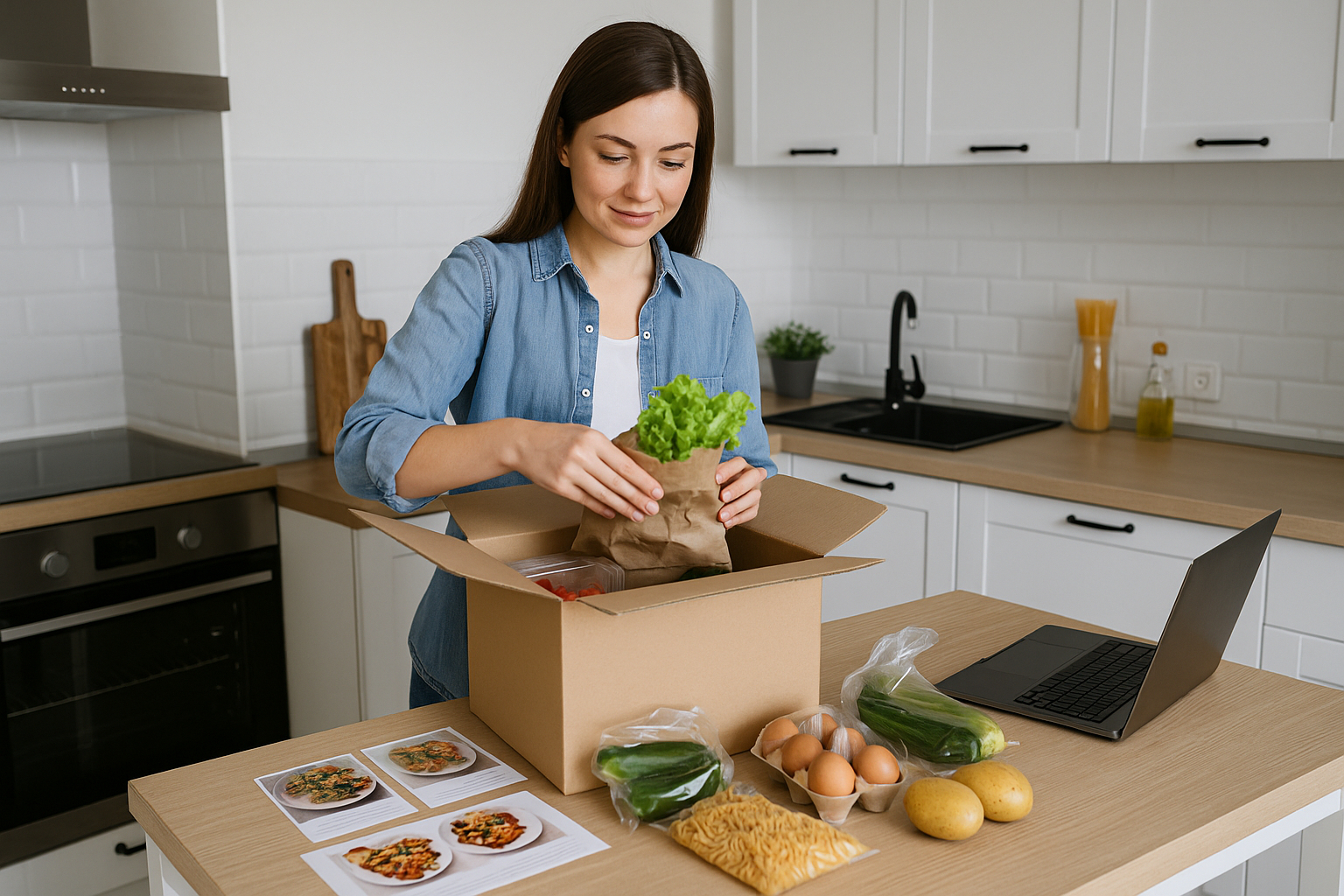
Meal kit businesses have transformed the way people cook and eat at home. By delivering pre-portioned ingredients and step-by-step recipes, they offer convenience, reduce food waste, and inspire healthier eating habits. With growing demand for quick, easy, and nutritious meals, starting a meal kit business can be a profitable venture. However, success in this industry requires careful planning, creativity, and a clear understanding of customer needs.
Why Start a Meal Kit Business?
-
Rising Demand for Convenience: Busy lifestyles make meal kits appealing to working professionals and families.
-
Health-Conscious Consumers: People are more interested in fresh, balanced, and customizable meal options.
-
Subscription Model Benefits: Recurring revenue creates steady cash flow.
-
Room for Innovation: From vegan kits to cultural cuisines, there’s space to stand out in a competitive market.
Steps to Start Your Meal Kit Business
1. Research the Market
Understand your target customers—are they health-conscious young professionals, families looking for quick dinners, or people with specific dietary needs? Analyze existing competitors and find gaps you can fill.
2. Define Your Niche
Specialization is key. You could focus on:
-
Vegan or vegetarian meal kits
-
Organic and locally sourced ingredients
-
International cuisine experiences
-
Budget-friendly family meals
-
Gourmet fine-dining kits at home
3. Build Supplier Relationships
Quality ingredients are the backbone of your business. Partner with local farms, organic suppliers, and trusted distributors to ensure consistency, freshness, and sustainability.
4. Develop Recipes & Portion Control
Hire or collaborate with chefs and nutritionists to create easy-to-follow, delicious recipes. Portion control is vital to reduce waste and keep costs manageable while ensuring customers feel satisfied.
5. Set Up Packaging & Logistics
-
Packaging: Invest in eco-friendly, insulated packaging to keep food fresh.
-
Delivery: Decide between in-house delivery or third-party logistics providers.
-
Scalability: Ensure your logistics can expand as your customer base grows.
6. Pricing & Business Model
Choose a subscription plan (weekly, bi-weekly, or monthly) with clear pricing tiers. Consider offering trial kits or discounts to attract new customers.
7. Build an Online Platform
A user-friendly website or app is crucial. Include features like:
-
Recipe previews
-
Flexible subscription options
-
Secure payment gateways
-
Customer reviews and ratings
8. Marketing & Branding
-
Highlight your USP (e.g., “farm-to-table freshness” or “international cuisines delivered”).
-
Use social media, influencer partnerships, and recipe content marketing to build brand awareness.
-
Offer referral programs or discounts to encourage word-of-mouth growth.
Conclusion
Launching a meal kit business is both exciting and challenging. By identifying your niche, building reliable supply chains, and investing in strong branding, you can carve out a profitable space in this growing industry. With the right mix of convenience, quality, and creativity, your business can not only meet customer needs but also shape the future of how people cook at home.