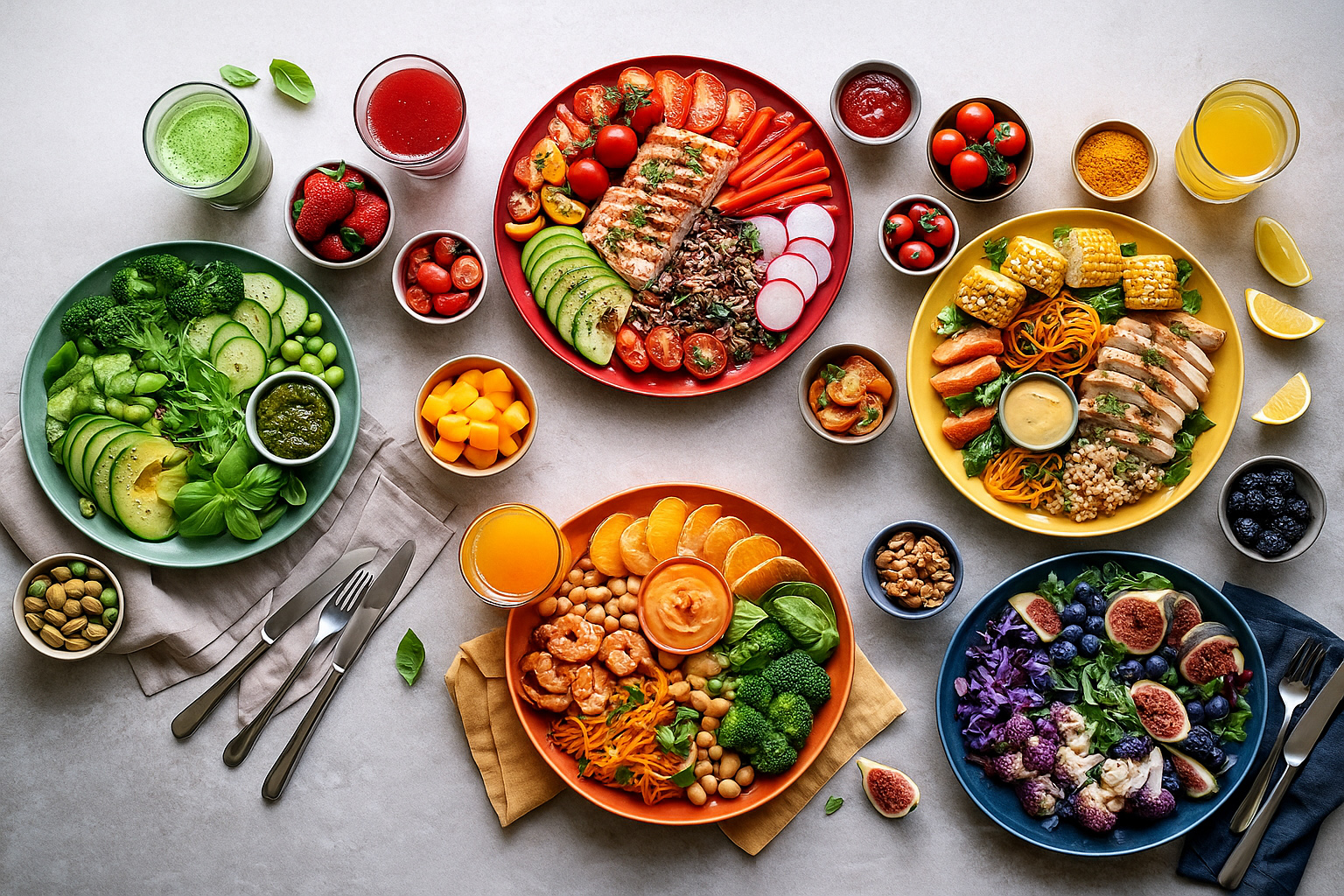
Color doesn’t just brighten a plate — it influences mood, energy, and even motivation. Color-themed meal days are becoming a creative way for people to plan healthier menus, stay consistent with nutrition goals, and make eating more fun. By using the psychology behind different colors, meal planning turns into a vibrant routine that benefits both body and mind.
Using Color Psychology to Shape Eating Habits
Each color in food represents different nutrients and emotional responses. Red often signals energy and bold flavors, while green foods are linked to freshness and balance. Yellow and orange meals offer warmth, brightness, and mood-lifting qualities. By organizing meals around color, people naturally incorporate more variety into their diet while enjoying a visually inspired approach to nutrition.
A More Engaging Way to Eat Healthy
Color-themed days simplify planning. Instead of wondering what to cook, individuals follow a theme—like “Green Day” with avocado, spinach, or broccoli dishes. It adds structure while still encouraging creativity. Families and kids especially enjoy the playful element, turning healthy eating into an activity instead of a chore.
Balanced Nutrition Through Variety
Different colors correspond to different phytonutrients. Red foods contain antioxidants like lycopene, green foods offer chlorophyll and fiber, and purple produce supports brain health. Rotating color themes throughout the week ensures that people consume a wide range of nutrients without overthinking macros or labels.
A Mindful, Positive Food Experience
Color affects emotions. Warm colors can stimulate appetite and energy, while cooler tones encourage calmness and clarity. Eating by color helps people become more aware of how meals make them feel—whether they need motivation, comfort, or focus. This mindful approach empowers better food choices in a natural, enjoyable way.
Conclusion
Color-themed meal days add energy, creativity, and variety to everyday eating. By combining color psychology with nutrition, people can build balanced diets, reduce food monotony, and stay motivated throughout the week. It’s a simple yet powerful way to transform the act of meal planning into a joyful, visually inspiring routine.