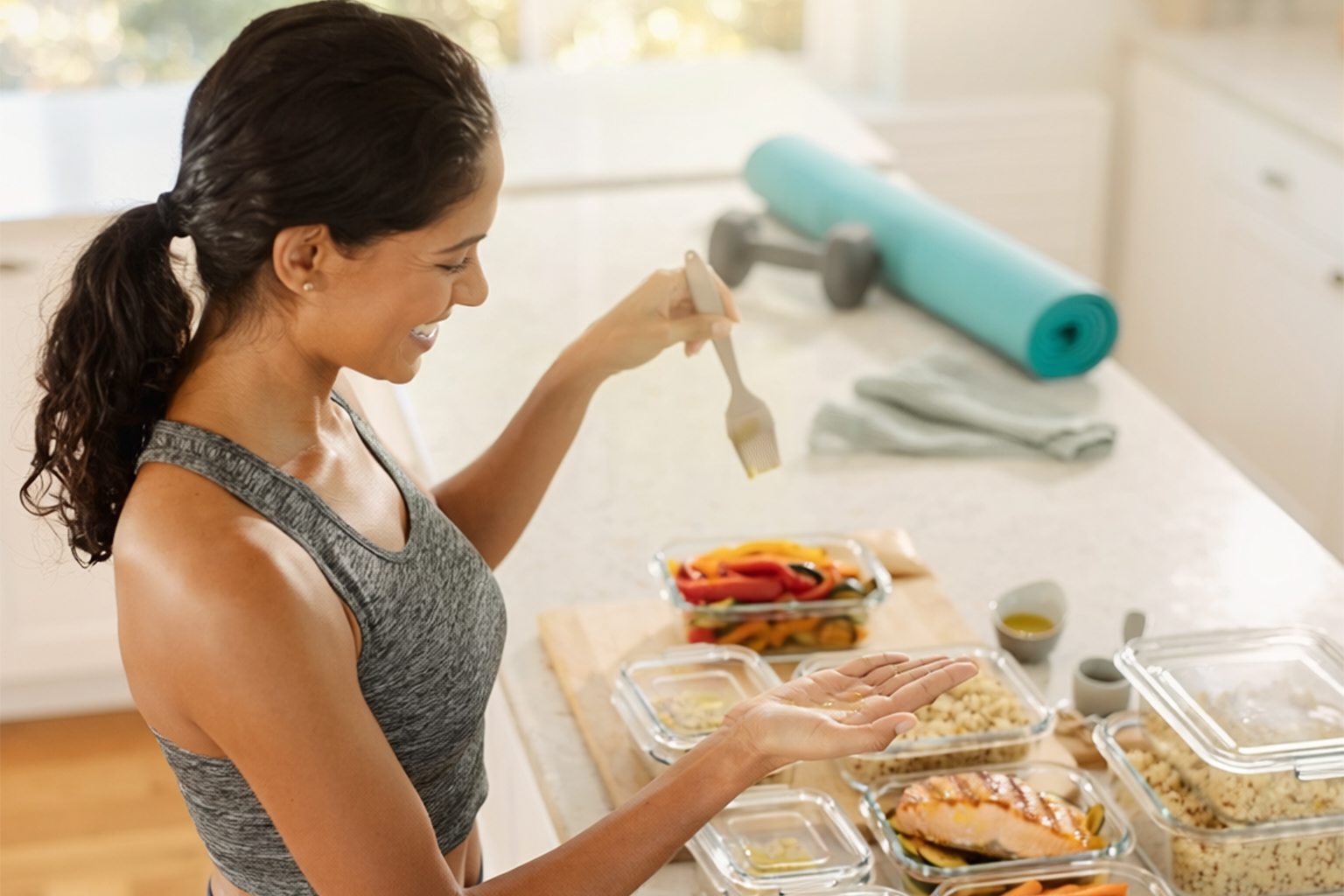
Creating simple, balanced meals is a cornerstone of sustainable home fitness routines.
When meals support training goals, energy and recovery improve and adherence becomes easier.
This article explains how to plan meals that match activity levels, taste preferences, and time constraints.
Use practical steps to make nutritious choices without overcomplicating your kitchen routine.
Designing Balanced Meals
Start each meal by prioritizing protein, which aids recovery and preserves lean mass. Add a moderate portion of whole or minimally processed carbohydrates for energy and satiety. Include colorful vegetables and a source of healthy fat to provide micronutrients and support fullness. Balancing these components makes meals versatile and adaptable to different caloric needs. Think about variety across the week to cover nutrient needs.
Adjust portion sizes according to your activity level and overall goals. Small swaps, like choosing beans or yogurt, can boost protein without adding complexity. Track outcomes and refine portions over weeks.
Timing and Portions
Meal timing should be practical rather than rigid; aim to fuel workouts with a snack or small meal an hour or two beforehand when possible. Post-workout meals that combine protein and carbohydrates support repair and glycogen replenishment. Portion control is useful, but shouldn’t become restrictive; focus on consistent habits and mindful portions. Use simple cues such as plate composition or hand-based measures to keep portions reasonable. If appetite varies, respond flexibly while keeping protein consistent.
Consistency beats perfection, so prioritize regular, balanced meals over occasional strict rules. This approach helps maintain energy and supports steady progress.
Practical Meal Prep Tips
Batch cooking and simple organization reduce decision fatigue and make healthy choices the default. Prepare a few core ingredients each week, like cooked whole grains, roasted vegetables, and a lean protein source. Combine these staples in different ways to keep meals interesting without spending hours at the stove. Label and rotate prepared foods to reduce waste.
- Cook large batches of grains and store in portions.
- Roast a tray of vegetables to use across meals.
- Freeze single-serve protein portions for quick reheating.
Small investments in prep time free up daily energy and help maintain consistent nutrition. Over time these habits simplify meal planning and support long-term fitness goals. Start with one day of prep and scale up gradually.
Conclusion
Focus on balanced plates, realistic timing, and simple prep to support home fitness goals.
Make small, sustainable swaps that fit your routine and preferences.
Consistent nutrition choices will compound into meaningful progress over time.