Back pain is one of the most common complaints people bring into their daily lives. It often flares unpredictably and can affect work, sleep, and mood. Small changes at home can reduce flare-ups and make movement less painful. This article lays out practical, non-prescriptive steps you can try safely.
Understanding common causes
Many cases of chronic back pain come from a mix of age-related changes, muscle strain, and habits such as prolonged sitting. Structural issues like disc degeneration or arthritis contribute for some people, but pain often reflects how tissues and nerves respond rather than a single visible problem. Emotional stress and lack of activity can amplify sensations and make recovery slower. Recognizing the likely drivers in your routine helps prioritize which changes will help most.
You don’t need a definitive diagnosis to start modest self-care. Focus on patterns and triggers rather than chasing a single cause.
Practical home strategies
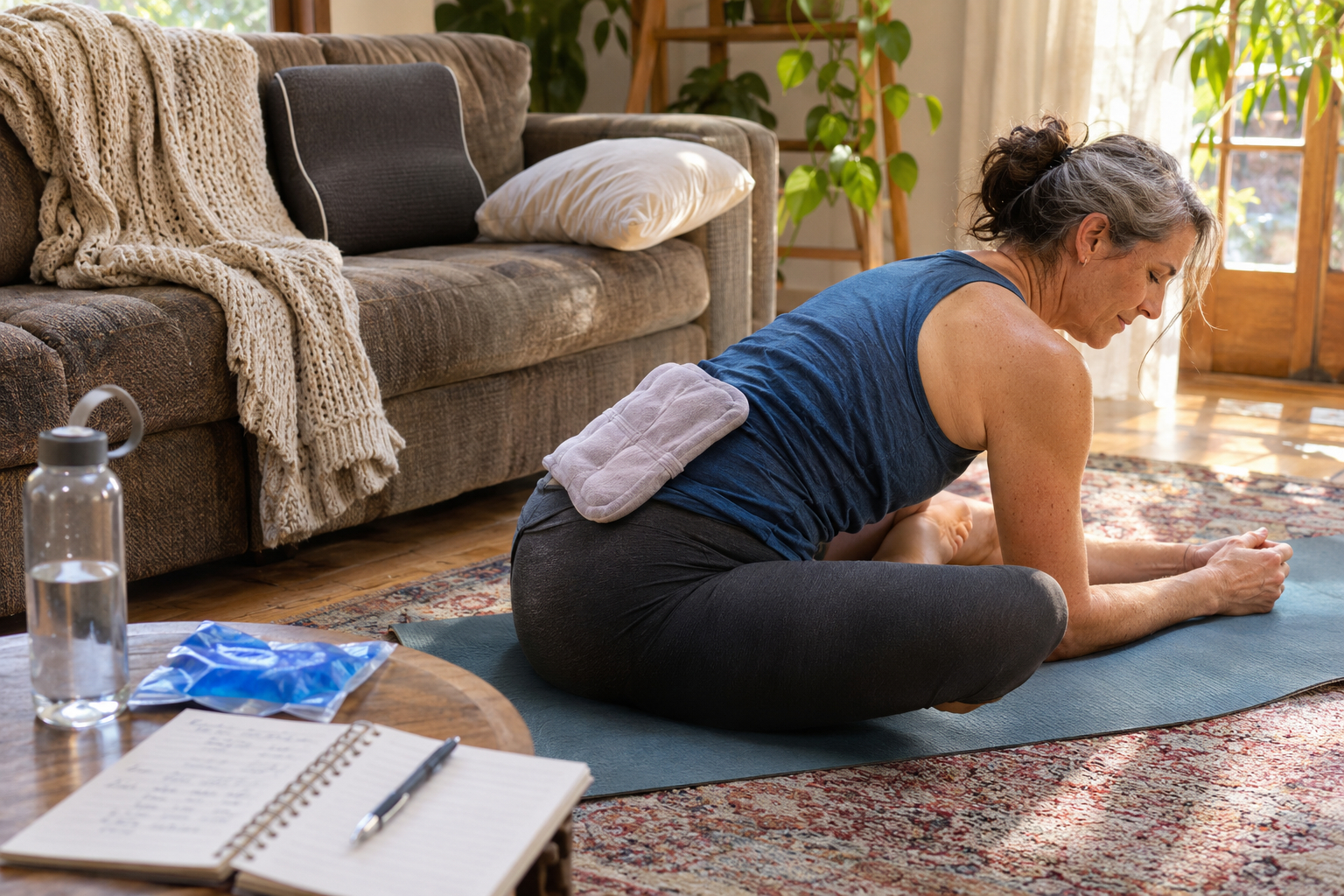
Begin with practical adjustments you can control: improve your sitting, adjust mattress or pillow support, and vary positions regularly. Heat and gentle cold packs ease muscle tension for many people, while short walks and light movement keep tissues mobile. Over-the-counter pain relievers can be useful for short-term relief for some individuals, but follow label guidance and avoid long-term reliance. Sleep hygiene, nutrition, and managing stress each play a role in overall pain levels.
- Adjust chair and desk height to support the lumbar curve.
- Take movement breaks every 30–60 minutes to change posture.
- Use heat for stiffness and cold for sharp inflammation.
- Try gentle stretches for hips, hamstrings, and lower back.
- Sleep with a pillow between the knees or under the knees depending on position.
Small, consistent changes often yield clearer results than occasional intense efforts. Track what helps over a week or two to build a personalized plan.
Exercise and posture tips
Targeted mobility and strengthening exercises reduce the burden on sensitive structures and improve resilience. Focus on gentle core and glute engagement, hip mobility drills, and hamstring flexibility rather than aggressive spinal flexion or heavy lifting. Short sessions done daily usually outperform sporadic longer workouts in both safety and benefit. If an exercise increases sharp or radiating pain, stop and choose a gentler alternative.
Progress slowly and respect pain signals while aiming for gradual improvement. Consider a brief assessment with a physical therapist if you need tailored progressions.
When to seek professional care
Certain signs suggest the need for hands-on or diagnostic care: worsening neurological symptoms, unexplained weight loss, fever, or loss of bowel or bladder control. Persistent severe pain that does not improve with basic self-care over several weeks also warrants evaluation. A clinician can recommend imaging, targeted injections, or structured rehabilitation when appropriate. Early guidance helps avoid unnecessary tests and focuses treatment where it will help most.
Don’t delay reaching out if you notice red flags or rapid decline. Timely assessment often shortens recovery.
Conclusion
Managing chronic back pain at home is about consistent, sensible steps. Small adjustments to movement, sleep, and daily habits usually make a meaningful difference. If problems persist or worsen, seek professional evaluation.