Living with ongoing musculoskeletal discomfort means rethinking daily movement and habits to protect function and reduce flare-ups.
Simple, consistent practices at home can preserve mobility and help people stay active without overloading tissues.
This article outlines practical strategies that emphasize pacing, sensible strengthening, and small environmental changes.
These ideas are intended to be approachable and adaptable to many ability levels.
Smart Movement and Pacing
Begin by breaking activities into manageable chunks and alternating tasks with short rest or gentle movement breaks to avoid spikes in pain. Start low and increase activity gradually so the nervous system and tissues adapt over days and weeks rather than all at once. Incorporating short mobility sessions focused on controlled ranges of motion supports joint health and reduces stiffness. Consistency matters more than intensity for sustained improvements.
Track how different activities affect symptoms and adjust durations accordingly. Using simple timers or a checklist can help maintain progress without overdoing it.
Load, Strength, and Flexibility
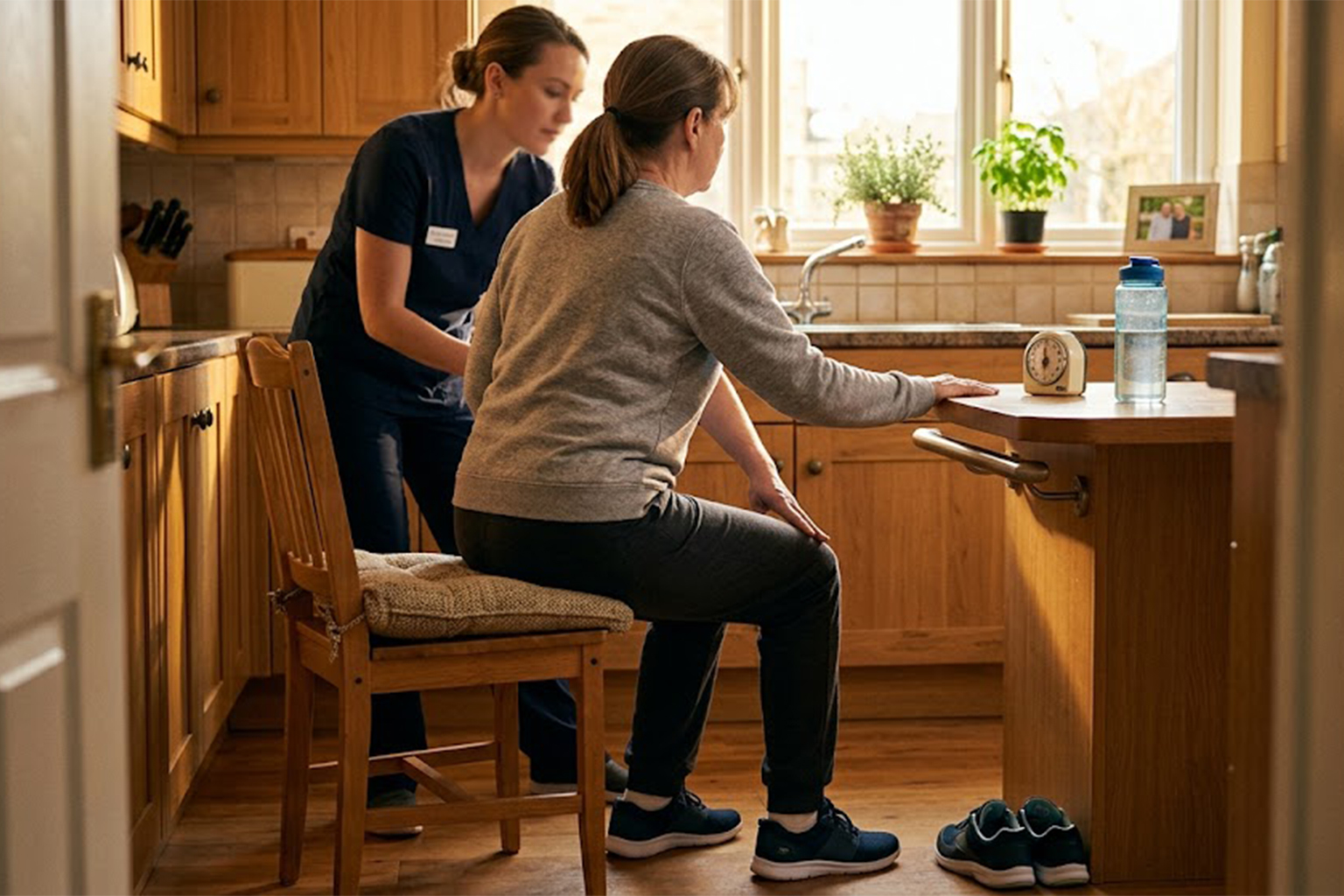
Building tolerable strength around painful areas supports joint stability and daily function, while targeted flexibility helps maintain useful motion. Aim for two to three short strength sessions per week using bodyweight or light resistance, emphasizing controlled movement and pain-guided progression. Combine strength with gentle stretching or mobility drills to address tightness that limits movement quality. Focus on functional patterns such as sit-to-stand, hinge, and overhead reach rather than isolated body parts.
- Examples: wall squats, seated rows with a band, and gentle hamstring or calf mobility.
- Keep sets brief and rest between efforts to prevent fatigue-driven compensation.
Progress repetitions or resistance slowly, and prioritize form to reduce risk of symptom aggravation. If a specific exercise worsens pain persistently, modify or replace it with an alternative.
Environment and Daily Habits
Small changes in the home environment can reduce strain: adjust seating height, keep frequently used items within easy reach, and set up work surfaces at comfortable heights. Quality sleep, adequate hydration, and stress management influence pain perception and recovery, so address these lifestyle factors alongside movement. Ergonomic tweaks combined with regular breaks help prevent repetitive loading patterns that commonly trigger flares. Aim to create routines that support regular activity rather than sporadic high-effort sessions.
Use aids like cushions or supportive footwear when needed, and adopt a gradual plan to introduce new tasks. Celebrate small gains to maintain motivation and consistency.
Conclusion
Small, sustainable changes to movement and daily routines add up to meaningful improvements over time.
Respecting pace, building targeted strength, and simplifying your environment help protect function and reduce flare-ups.
Start gradually and adjust based on how your body responds to preserve mobility and independence.