Designing a safe home fitness space starts with understanding how your body moves and how your surroundings respond. A few thoughtful adjustments to layout, equipment, and daily habits can drastically reduce the chance of strains, slips, and overuse injuries. This article outlines practical steps to evaluate risk, choose supportive gear, and adopt safer movement patterns at home. Read on to implement changes that protect joints, improve balance, and keep workouts sustainable over time.
Assess movement patterns and identify hazards
Begin by observing how you perform common exercises in your space, at a pace that mirrors a typical workout. Look for areas where furniture, rugs, cords, or poor lighting interfere with movement or require awkward compensations. Pay attention to how your feet land, how your knees track, and whether you rely on nearby surfaces for balance. Small environmental factors often force inefficient movement that increases injury risk over weeks or months.
Document two or three recurring issues and prioritize fixes that remove immediate hazards. Simple fixes can yield quick improvements to safety and confidence.
Choose footwear and equipment that support safe mechanics
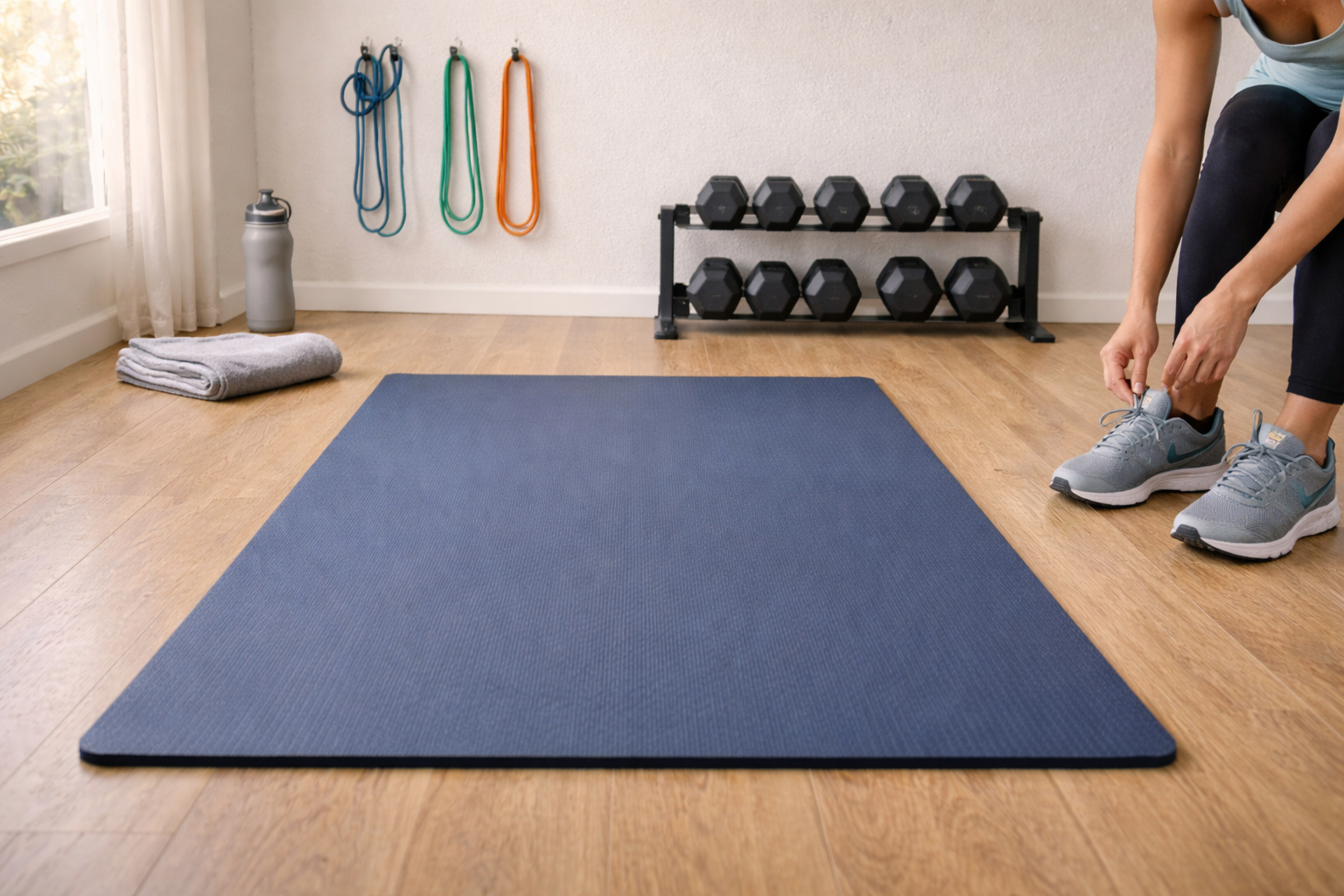
Select shoes with appropriate grip and midsole support for the activities you do most often, and replace them when cushioning or tread is worn. For floor exercises, a stable, non-slip mat of adequate thickness helps protect joints while maintaining balance. Inspect weights, resistance bands, and machines for wear, secure attachments, and safe storage to prevent trips or sudden failures. Avoid makeshift supports or damaged equipment that can unexpectedly shift during use.
Regular maintenance and investing in a few quality pieces reduce the likelihood of mishaps and promote consistent technique.
Optimize layout, flooring, and lighting
Arrange a dedicated exercise zone with clear boundaries to prevent accidental collisions with furniture or decor. Hard, even flooring or a firmly anchored mat provide predictable footing; avoid thick pile rugs that shift under load. Ensure overhead and side lighting is bright and shadow-free so you can monitor form and foot placement. Clearing a small perimeter around your space lets you move freely and reduces the chance of catching extremities on obstacles.
Periodic re-evaluation of room setup as needs change will maintain a safe, adaptable workout area.
Build movement habits that reduce strain and encourage progression
Warm up with mobility and activation drills that target joints and muscle groups you plan to use, and prioritize controlled technique over heavier loads. Progress intensity and volume gradually, tracking how your body responds rather than chasing quick increases. Incorporate designated recovery days, light mobility work, and simple self-monitoring for pain or persistent tightness. When in doubt, pause progression and reassess technique or equipment to avoid reinforcing poor patterns.
Consistent, measured training habits form the best long-term defense against overuse injuries and setbacks.
Conclusion
Creating a safer home fitness space combines thoughtful layout, appropriate equipment, and disciplined movement habits.
Small, consistent improvements protect joints and reduce unexpected incidents during exercise.
Commit to regular checks and gradual progression to keep your workouts effective and injury-resistant.