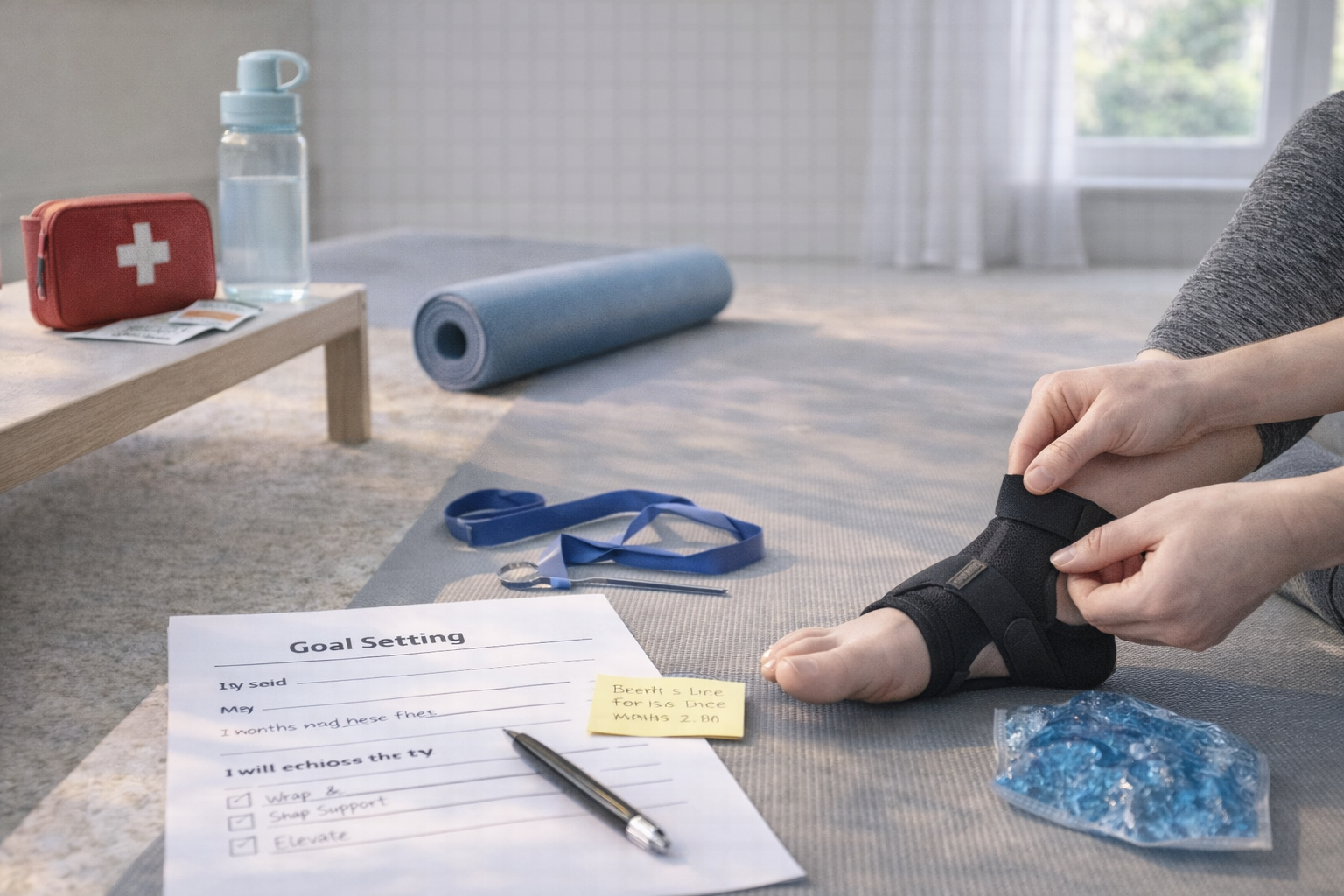
Home workouts are convenient but not without risk, and knowing how to recover from minor injuries while preventing new ones matters for long-term consistency. A thoughtful approach balances immediate self-care with small environment and routine changes that reduce future incidents. This article outlines practical steps you can take after a minor strain and everyday adjustments to keep your training safe. The guidance is general and intended to help you make informed choices about activity and rest.
Assessing Your Home Workout Risks
Begin by identifying what caused the discomfort: poor form, inadequate warm-up, slippery surfaces, or overuse from repeating the same movement. A quick, calm assessment helps distinguish between soreness that will improve with rest and signs that suggest more careful attention is needed. Look for swelling, sharp pain, loss of function, or instability; these are cues to modify or stop an exercise. Keeping a short training log can reveal patterns that lead to repeated stresses.
- Check your space for trip hazards, loose rugs, and uneven flooring.
- Note whether fatigue or poor technique occurred toward the end of a session.
- Observe whether pain appears immediately or develops over hours or days.
Use these observations to adapt equipment, session length, or exercise selection. Small adjustments at this stage can prevent a minor issue from becoming persistent.
Simple Adjustments to Reduce Harm
Implementing a few practical changes can dramatically lower injury risk without major expense or time. Prioritize a brief warm-up that increases blood flow and mobility specific to the workout you plan to do. Protect joints with appropriate footwear and surface choices, and limit high-impact loading when recovering from a strain. Progress loads and intensity gradually rather than jumping back to previous levels immediately after discomfort.
- Warm up for 5–10 minutes with dynamic movements related to your session.
- Replace slippery mats, clear space, and ensure good lighting.
- Alternate training days to allow recovery of the same muscle groups.
Consistent habits like these help you maintain momentum while protecting tissues as they repair. They also make it easier to return safely to full intensity when ready.
When to Pause and Seek Professional Advice
If pain is severe, lasts beyond a few days, or limits normal movement, pausing training and consulting a qualified clinician is wise. Persistent swelling, numbness, or joint instability are signals that specialist assessment may be needed to rule out structural injury. A professional can offer targeted strategies, such as modified activity plans and guided rehabilitation, to restore function efficiently. Even when injuries are minor, early expert input can shorten recovery time and reduce the chance of recurrence.
Be proactive about asking for help rather than waiting for symptoms to worsen. Safe training is sustainable training, and timely care keeps you on track toward your goals.
Conclusion
Minor home workout injuries often respond well to careful self-assessment, short-term modifications, and gradual return to activity. Making simple environment and routine changes reduces the chance of repeat problems and supports steady progress. When pain is severe or persistent, seek professional advice to protect long-term health and performance.