Introduction
Preparing meals at home offers control, cost savings, and the ability to tailor nutrition to your needs. Small, consistent changes in planning and shopping can transform weekday dinners and reduce food waste. This guide focuses on practical meal prep tips that fit into busy schedules without sacrificing flavor or balance. Read on for actionable steps to streamline your kitchen routine and improve the quality of everyday meals.
With a few tools and a simple system, home cooking becomes faster and more enjoyable. The following sections break down planning, ingredient selection, and time-saving techniques you can start using this week.
Smart Planning and Prep
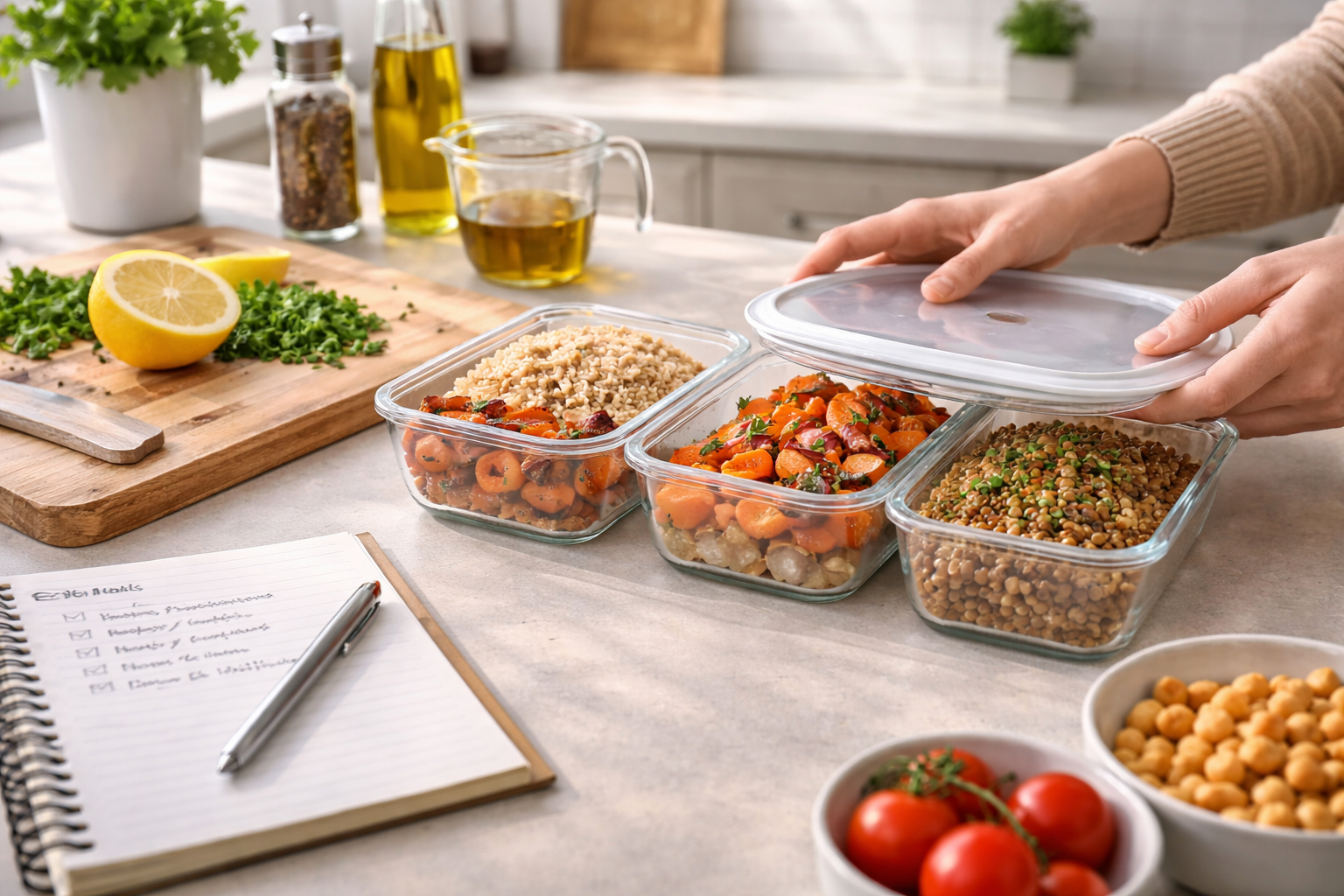
Begin with a short weekly plan that lists breakfasts, lunches, dinners, and snacks so you buy only what you need. Identify two or three recipes that share ingredients to maximize efficiency and reduce waste. Prep core components like grains, roasted vegetables, and cooked proteins in batches so assembling meals takes minutes. Keep a running list of staples to avoid last-minute trips and impulsive purchases that derail healthy choices.
Set aside one or two hours once a week for prep and you will reclaim time every other day. Treat this session as a productivity block: you will thank yourself during hectic evenings.
Ingredient Choices That Help
Focus on whole foods that store and reheat well, such as lentils, brown rice, sturdy greens, root vegetables, and eggs. Choose a mix of fresh and frozen produce to balance cost and convenience; frozen items retain nutrients and reduce spoilage. Incorporate a variety of proteins and plant-based options to keep meals interesting and nutritionally balanced. Use herbs, spices, citrus, and simple sauces to add flavor without relying on processed foods high in sodium or added sugars.
Stocking a few pantry essentials makes it easier to throw together a healthy meal with minimal effort. Rotate seasonal produce to maintain variety and keep meals appealing.
Cooking Techniques and Time Savings
Adopt techniques that maximize yield and minimize cleanup, like sheet-pan meals, one-pot dishes, and slow cooker recipes. Use multitasking: roast vegetables while simmering a grain, or chop ingredients in advance and freeze portions for later use. Invest in a few reliable kitchen tools—a sharp knife, a good cutting board, and a quality storage set—to make prep smoother. Label containers with dates so you can track freshness and plan meals around what needs to be eaten first.
Batch-cooking reduces decision fatigue and helps maintain consistent eating habits. Simple routines around cooking and storage create long-term efficiency.
Conclusion
Consistent meal prep routines make nutritious home eating achievable and sustainable. Start small, build habits around planning and smart ingredient choices, and iterate based on what works for your schedule. Over time, these practices save time, reduce waste, and improve meal satisfaction.