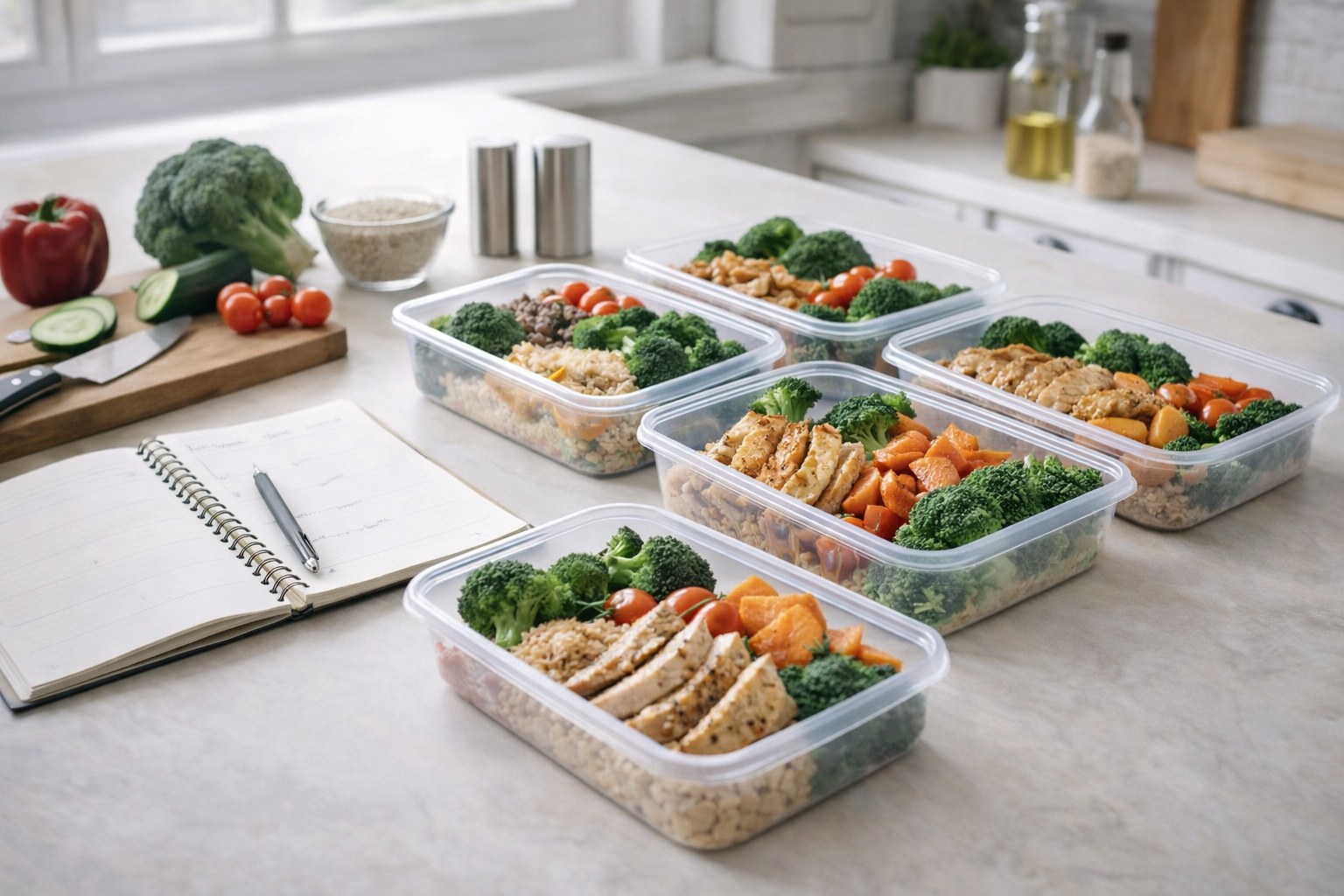
Weekly meal prep is one of the most effective ways to save time, reduce stress, and maintain healthier eating habits. Instead of deciding what to eat each day, a solid plan helps you stay organized and consistent. When done correctly, meal prep becomes a flexible system that fits your lifestyle rather than a rigid routine. The key is creating a plan that is realistic, repeatable, and easy to maintain.
Start With Your Weekly Schedule
A successful meal prep plan begins with understanding your week. Identify busy days when cooking time is limited and lighter days when you can prepare fresh meals. This helps determine how many meals need to be prepped in advance versus cooked on the spot. Aligning meals with your schedule prevents burnout and wasted food.
Choose Simple, Versatile Recipes
Meal prep works best with recipes that hold up well over several days. Focus on simple dishes that can be mixed and matched, such as roasted vegetables, grains, and proteins. Versatile ingredients allow you to create variety without cooking entirely different meals. This keeps food interesting while minimizing prep time.
Plan Portions and Storage Strategically
Decide whether you’re prepping full meals or individual components. Portioning meals in advance helps control serving sizes and makes grab-and-go eating easier. Using clear, stackable containers improves visibility and organization in the fridge. Proper storage ensures freshness and reduces food waste.
Create a Focused Grocery List
A detailed grocery list based on your meal plan prevents impulse purchases and forgotten ingredients. Shopping with a plan saves time and money while keeping you aligned with your goals. Group items by category to make shopping faster and more efficient. This step is essential for smooth meal prep sessions.
Schedule a Consistent Prep Time
Consistency turns meal prep into a habit. Choose a regular time each week—such as a weekend afternoon—to cook, portion, and store meals. Treat this time as an appointment rather than an optional task. Over time, this routine makes healthy eating feel automatic.
Build in Flexibility
A meal prep plan should support your life, not restrict it. Leave room for eating out, leftovers, or last-minute changes. Having backup options like frozen meals or simple snacks prevents the plan from breaking down when schedules shift. Flexibility keeps the system sustainable long term.
Conclusion
Creating a weekly meal prep plan that works requires planning around your schedule, choosing flexible recipes, and staying consistent. When done thoughtfully, meal prep saves time, reduces stress, and supports healthier eating habits. A realistic plan turns weekly preparation into an easy and rewarding routine.