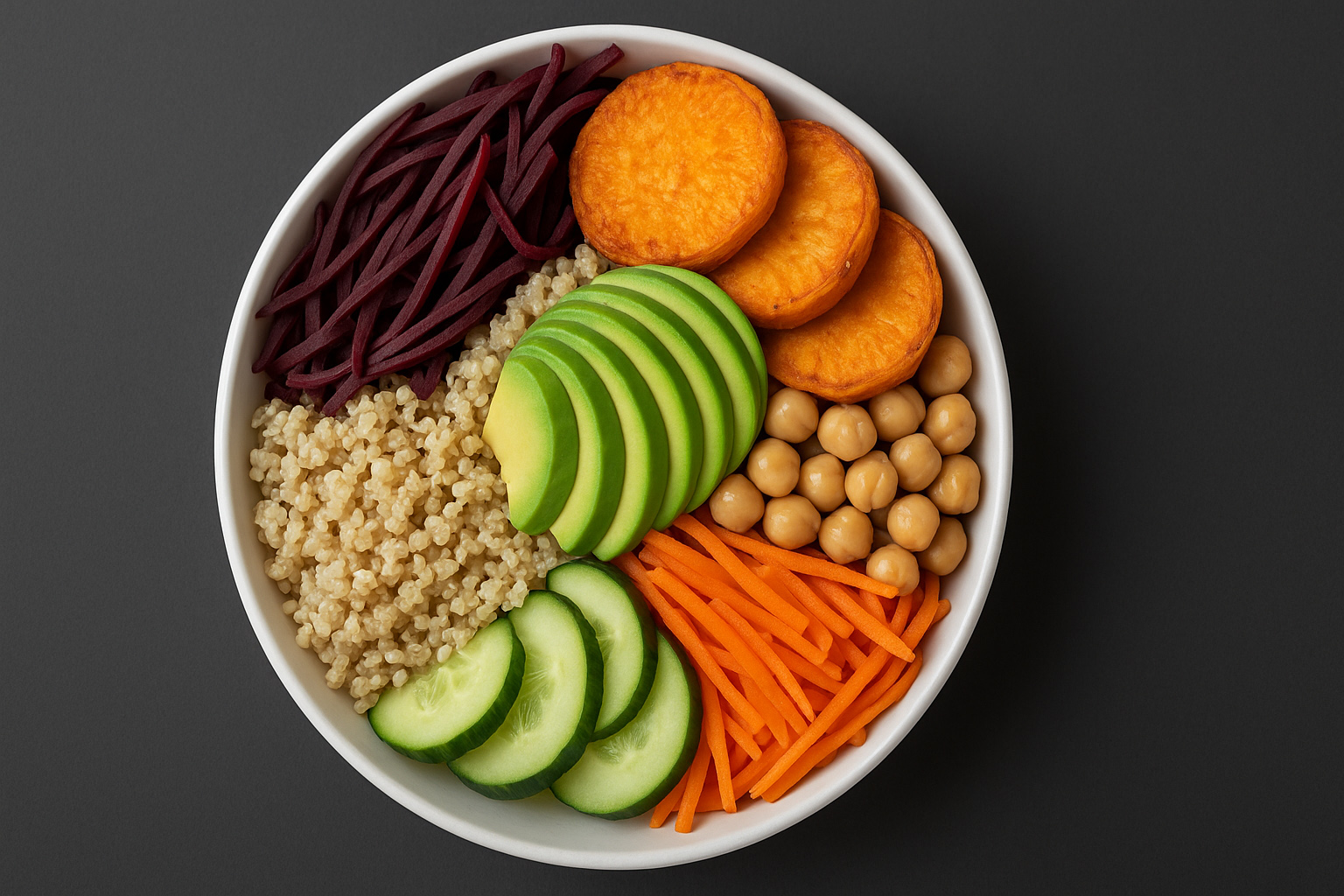
Snacking isn’t always about hunger. More often, it’s the result of meals that fail to satisfy the body’s true nutritional signals. The concept of the Anti-Snack Meal focuses on designing meals that keep you full, energized, and mentally satisfied—dramatically reducing the urge to snack between meals.
When meals are structured correctly, snacking becomes unnecessary rather than something you need to fight with willpower.
Why Most Meals Trigger Snacking
Many meals are built around quick carbs or incomplete nutrition. They spike blood sugar, provide temporary fullness, and then leave the body searching for balance an hour or two later. This creates cravings—not because you need more food, but because your body is correcting an imbalance.
Anti-snack meals prevent this cycle by delivering steady energy instead of short-lived fullness.
The Core Elements of an Anti-Snack Meal
An effective anti-snack meal includes protein, fiber, healthy fats, and volume. Protein signals satiety hormones, fiber slows digestion, and fats stabilize blood sugar. Volume—usually from vegetables or whole foods—adds physical fullness without excess calories.
When all four elements are present, the brain receives a strong “we’re good” signal that lasts for hours.
Timing and Texture Matter
Anti-snack meals are not rushed. Eating slowly allows satiety signals to activate fully. Texture also plays role-chewing whole foods, crunchy vegetables, or hearty grains increase satisfaction compared to soft or ultra-processed foods.
Warm meals further enhance fullness by activating comfort and digestion responses that cold or liquid meals often miss.
Designing Meals That Hold You Longer
Instead of light lunches that require constant grazing, anti-snack meals aim for stability. Think balanced plates rather than calorie counting. Meals that hold you for four to five hours reduce decision fatigue, emotional eating, and unnecessary calorie intake later in the day.
This approach is especially effective for busy professionals, students, and anyone trying to regulate energy without micromanaging food choices.
Who Benefits Most from Anti-Snack Meals
People trying to manage weight, control blood sugar, or improve focus often see immediate benefits. Anti-snack meals also reduce reliance on ultra-processed snack foods, improving overall food quality without strict restriction.
Conclusion
The Anti-Snack Meal isn’t about eating more—it’s about eating better designed meals. When meals provide real satiety and steady energy, snacking urges fade naturally. Thoughtful meal design turns hunger into a predictable, manageable signal instead of a constant interruption.