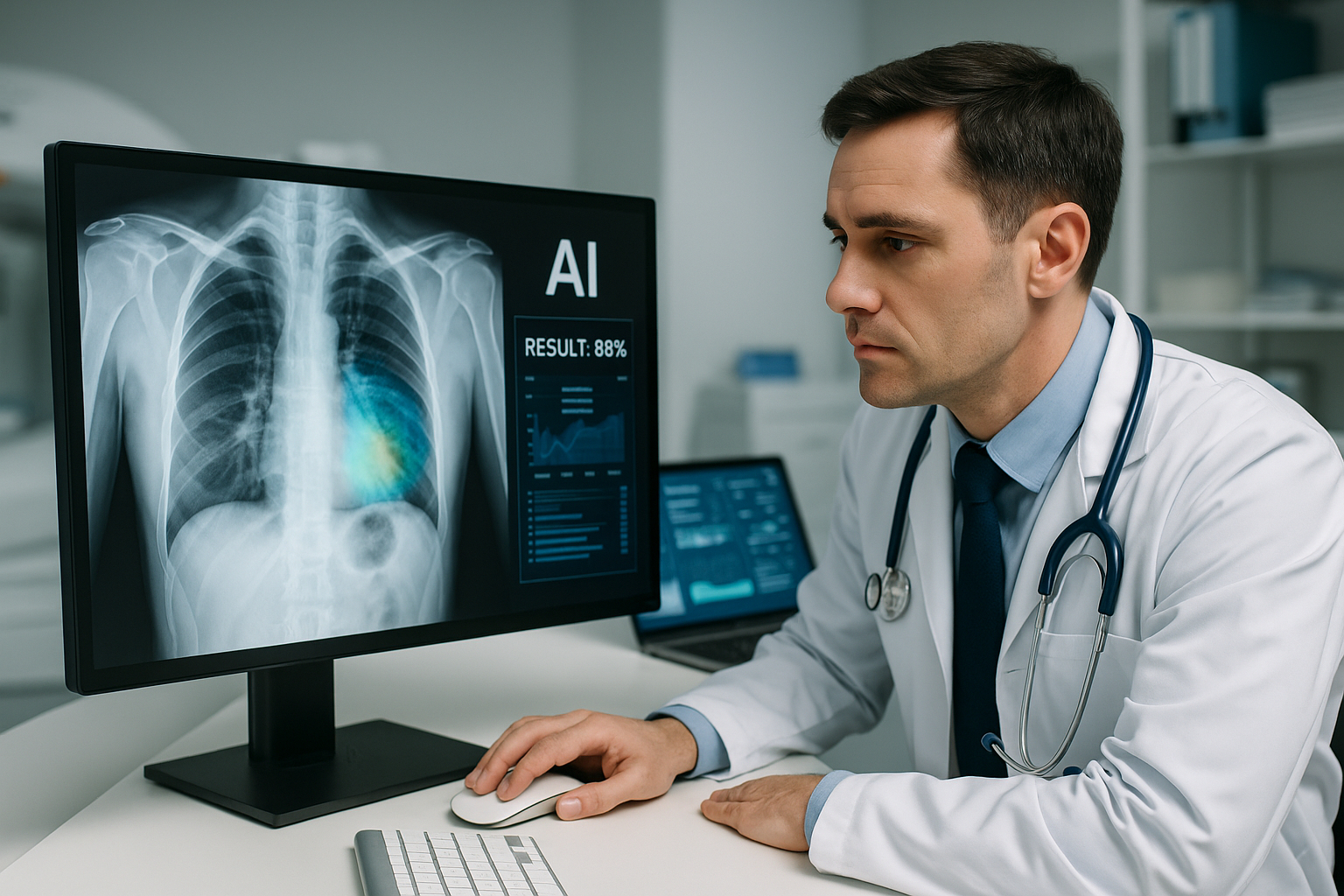
Artificial intelligence is transforming the field of diagnostics by making healthcare faster, more accurate, and more accessible. As medical data becomes increasingly complex, AI helps physicians detect diseases earlier and interpret results with far greater precision. From analyzing imaging scans to identifying subtle patterns that humans might miss, AI is redefining how diagnoses are made. This shift is not replacing doctors—it is giving them powerful tools to make more informed decisions, ultimately improving outcomes for patients everywhere.
Enhancing Accuracy Through Data-Driven Insights
AI systems excel at recognizing patterns across massive datasets, which makes them especially valuable in diagnostics. Whether analyzing X-rays, MRIs, or lab results, AI algorithms can detect abnormalities with high sensitivity. These systems learn from thousands of examples, improving each time they process new data. This level of accuracy reduces the chances of misdiagnosis and helps physicians identify conditions at earlier stages, when treatment is more effective.
Speeding Up Diagnostic Processes
Traditional diagnostic methods can be time-consuming, especially in busy healthcare settings. AI-powered tools streamline this process by rapidly reviewing scans or test results, often in seconds. This speed is crucial in emergencies where every minute counts. Faster diagnostics not only help doctors respond quickly but also reduce patient wait times and ease the burden on healthcare systems. By accelerating workflow, AI allows medical teams to focus more on patient care rather than administrative tasks.
Supporting Physicians With Decision-Making Tools
AI does not replace medical expertise; it complements it. Diagnostic AI tools act as second readers, offering insights that help physicians make confident decisions. These systems highlight questionable areas on scans, provide probability scores, and compare findings against vast medical databases. This support enhances clinical judgment and reduces cognitive load, particularly in complex cases. With AI as a partner, physicians have an extra layer of reassurance when making critical decisions.
Expanding Access Through Remote and Automated Diagnostics
One of AI’s biggest contributions is increasing access to quality diagnostics in underserved or remote areas. Telehealth platforms and portable AI-powered devices allow clinicians to evaluate patients without requiring advanced medical facilities. Automated tools can flag early signs of disease, helping patients receive timely care even when specialists are not nearby. This democratization of diagnostics has the potential to reduce disparities and improve global health outcomes.
Conclusion
Artificial intelligence is revolutionizing diagnostics by improving accuracy, speeding up analysis, supporting clinical decisions, and expanding access. As AI continues to evolve, it will play an increasingly vital role in ensuring patients receive faster, more precise, and more personalized healthcare.