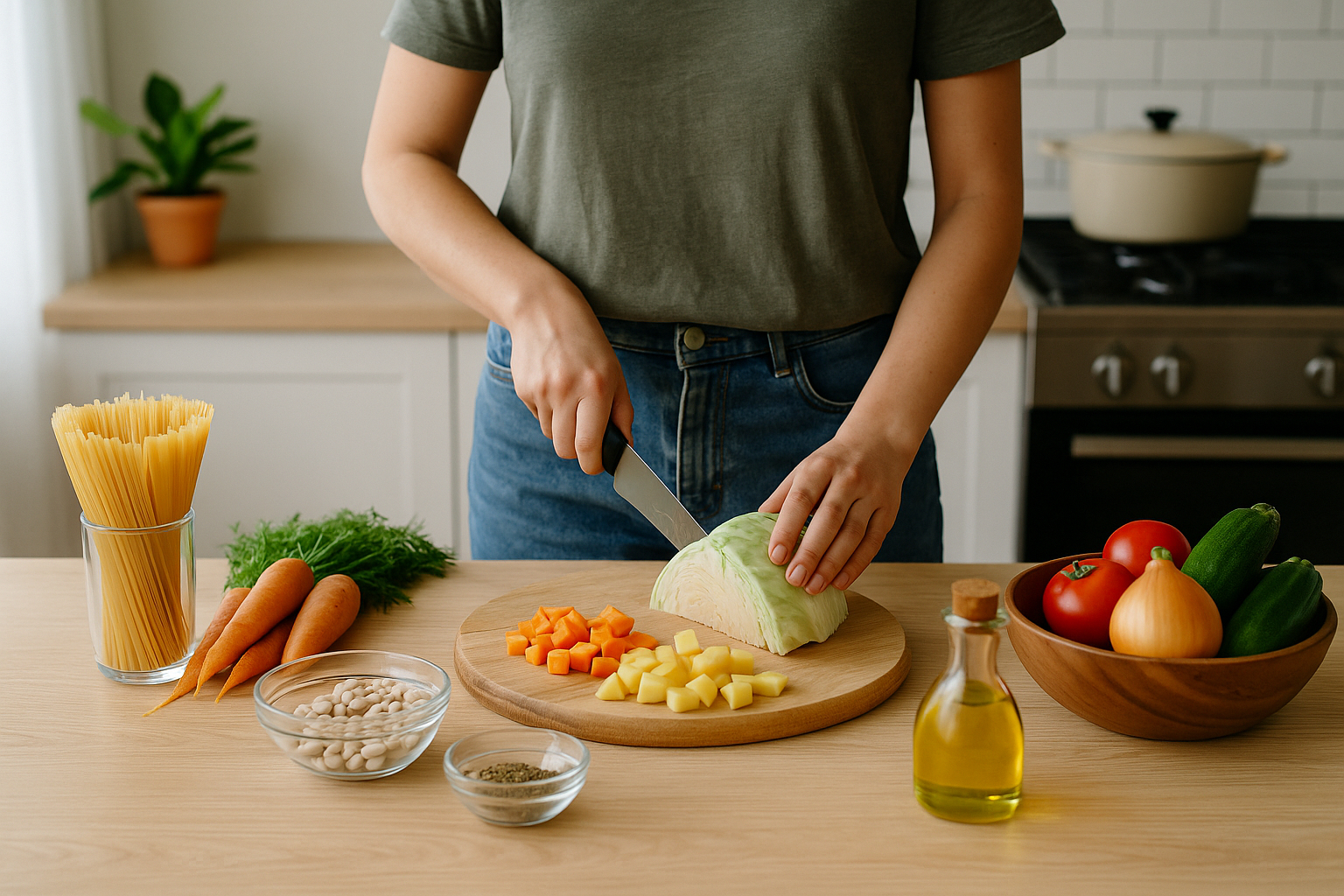
As food prices continue to rise, consumers around the world are learning how to make the most of every dollar. Inflation in food markets has reshaped how people shop, cook, and plan meals. But while higher costs present challenges, they also encourage creativity, smarter budgeting, and a renewed focus on value. Cooking on a budget doesn’t have to mean compromising on flavor—it’s about being strategic and resourceful in the kitchen.
Understanding the Inflation Effect
Food inflation is driven by multiple factors, including supply chain disruptions, increased production costs, and global economic shifts. Essentials like grains, dairy, and fresh produce have seen significant price hikes, putting pressure on household budgets. For many families, this has led to a change in shopping habits—fewer impulse buys, more bulk purchases, and greater reliance on affordable staples like rice, beans, and pasta.
Smart Shopping Strategies
The key to budget-friendly cooking starts at the grocery store. Planning weekly meals and creating a detailed shopping list helps avoid overspending. Look for store-brand or generic items, which often match the quality of premium brands at a lower price. Buying seasonal produce also stretches your budget further while ensuring freshness and better flavor. And don’t overlook frozen vegetables and canned goods—they offer nutrition and convenience without the cost of spoilage.
Batch Cooking and Meal Prep
Cooking in bulk is one of the most effective ways to save money. Preparing large portions of soups, stews, or casseroles allows you to reuse ingredients efficiently and reduce food waste. Freezing leftovers ensures you have ready-made meals on busy days, helping to cut down on expensive takeout. Investing a few hours in meal prep each week can significantly lower your overall food expenses.
Creative Substitutions and Simple Recipes
Cooking on a budget often means getting creative. Swap costly proteins with beans, lentils, or eggs, and use spices to add depth and variety to simple dishes. Even affordable ingredients like potatoes, carrots, and oats can form the base of multiple satisfying meals. Online resources and budget cookbooks offer endless inspiration for tasty, low-cost recipes that are easy to make at home.
Community and Sustainability
Many communities are rediscovering the value of collective solutions, such as local co-ops, farmers’ markets, and food-sharing programs. These not only reduce costs but also promote sustainability and connection. Cooking from scratch, reducing waste, and choosing locally sourced ingredients support both personal budgets and the planet.
Conclusion
Rising food prices may be challenging, but they’re also prompting smarter habits and a return to mindful cooking. By planning ahead, shopping wisely, and getting creative with ingredients, you can enjoy nutritious, flavorful meals without overspending. Inflation may be on the rise, but with the right approach, your kitchen can still serve abundance on a budget.