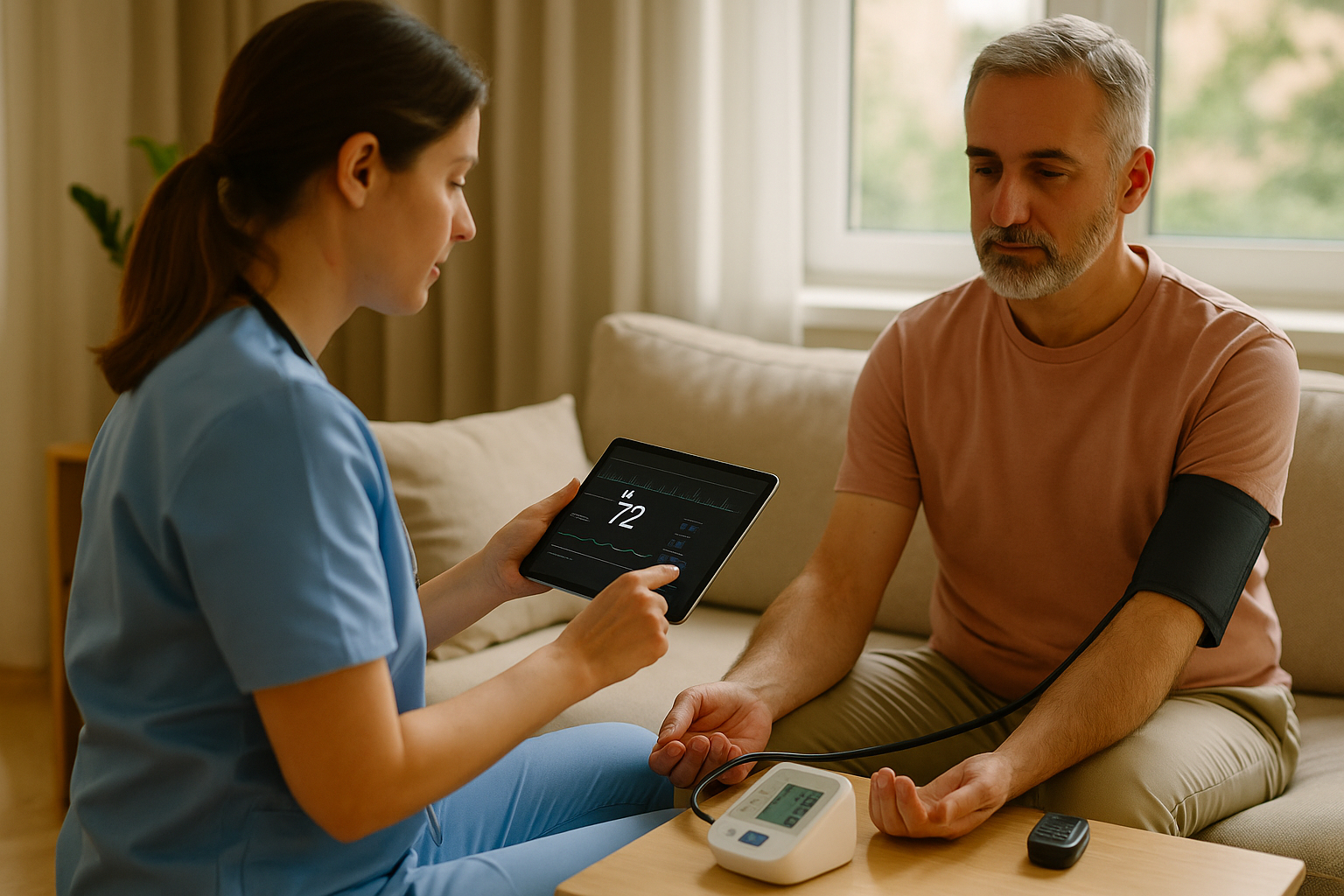
The healthcare landscape is changing rapidly, and one of the most transformative trends is the rise of the “Hospital at Home” model. This approach allows patients to receive acute-level hospital care from the comfort of their homes, supported by medical professionals, advanced monitoring tools, and digital technology. It blends the best of clinical expertise with the familiarity of home, creating a patient-centered model that’s redefining modern medicine.
What Is the Hospital at Home Model?
The Hospital at Home model provides hospital-level treatment to patients outside traditional facilities. Eligible patients—those with conditions such as pneumonia, heart failure, or chronic obstructive pulmonary disease—receive round-the-clock care through a combination of home visits and remote monitoring. This model leverages telehealth platforms, portable medical equipment, and in-person visits from nurses and physicians to deliver safe, comprehensive care without hospitalization.
Benefits for Patients and Families
For patients, being treated at home offers comfort and familiarity that traditional hospitals can’t replicate. Studies show that recovery can be faster and less stressful in a home environment. Family members can be more involved in care, improving emotional well-being and adherence to treatment plans. Additionally, the reduced risk of hospital-acquired infections makes this model safer for patients with compromised immunity.
From a financial perspective, Hospital at Home programs can significantly reduce healthcare costs by minimizing hospital stays, readmissions, and overhead expenses. For healthcare systems, it improves efficiency by freeing up hospital beds for critical cases.
Technology as the Enabler
Advancements in digital health technology have made this model possible. Remote patient monitoring tools track vital signs in real time, sending data to care teams who can respond instantly to any changes. Video consultations, wearable devices, and AI-driven analytics help doctors make timely, informed decisions. Mobile diagnostic equipment allows lab tests and imaging to be conducted right at home, further reducing the need for hospital visits.
Challenges and Considerations
Despite its promise, the Hospital at Home model faces challenges. Not all patients are eligible, as some conditions require intensive care or specialized equipment. Reliable internet connectivity and trained caregivers are essential for success. Moreover, healthcare providers must ensure proper regulatory compliance, data security, and reimbursement structures to make the model sustainable at scale.
Conclusion
The Hospital at Home model represents the future of patient-centered healthcare—personal, efficient, and technologically empowered. By combining the clinical precision of hospitals with the comfort of home, it’s transforming how and where care is delivered. As this model continues to expand, it promises not just better outcomes, but a reimagined healthcare experience built around compassion, convenience, and innovation.