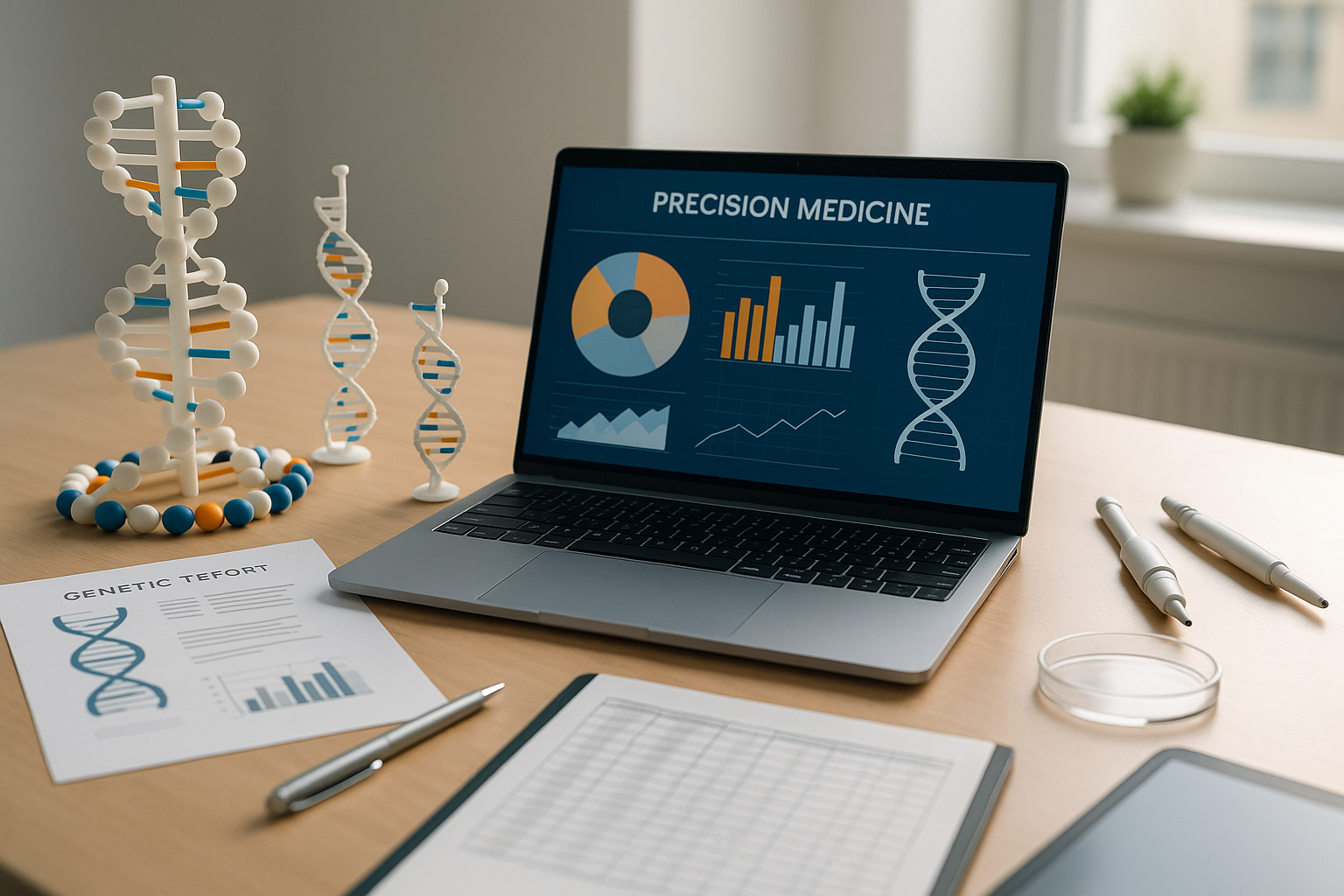
Healthcare is entering a new era where treatments are no longer one-size-fits-all. Precision medicine focuses on understanding each patient’s unique genetic makeup, lifestyle, and environment to develop personalized therapies that improve outcomes. This approach marks a major shift from traditional care, offering targeted solutions that are more effective and less invasive. As technology advances, precision medicine is becoming a foundational part of modern healthcare, shaping the future of patient-centered treatment.
How Genetics Shape Personalized Care
Genetic information plays a central role in precision medicine. By analyzing a patient’s DNA, healthcare providers can identify risk factors for specific conditions and understand how their body responds to different treatments. This insight allows doctors to prescribe medications that are more likely to work and less likely to cause side effects. Tailoring treatment based on genetic profiles helps detect diseases earlier and improves the chances of long-term recovery.
Technology Driving Precision Treatment
Innovations such as AI, machine learning, and advanced imaging are accelerating the progress of precision medicine. AI tools analyze massive amounts of patient data to identify patterns that guide more accurate diagnoses. Wearable devices monitor real-time health indicators, enabling doctors to adjust treatments quickly. These digital advancements create a continuous feedback loop, ensuring therapies remain effective as a patient’s condition evolves.
Personalized Therapies for Better Outcomes
Precision medicine extends beyond diagnostics to customized treatments. From targeted cancer therapies to medications adjusted based on metabolism, personalized approaches reduce trial-and-error prescribing. Patients benefit from treatments designed for their specific biological needs, leading to faster recovery, fewer complications, and improved quality of life. This individualized attention makes care more efficient and focused.
A More Predictive and Preventive Future
One of the greatest strengths of precision medicine is its ability to anticipate health issues before they become severe. Predictive analytics can identify individuals at higher risk for certain diseases, allowing early interventions that prevent complications. This shift toward proactive care supports long-term wellness and reduces the burden on healthcare systems. As research expands, precision medicine will continue to strengthen preventive care strategies worldwide.
Conclusion
Precision medicine is revolutionizing healthcare by delivering personalized, predictive, and highly effective treatment options. With the support of advanced technology and genetic insights, every patient can receive care tailored to their unique needs. As this field grows, the future of medicine looks increasingly personalized, empowering individuals to achieve better health outcomes.